
THE RAMBLE
Location
Geographic Setting
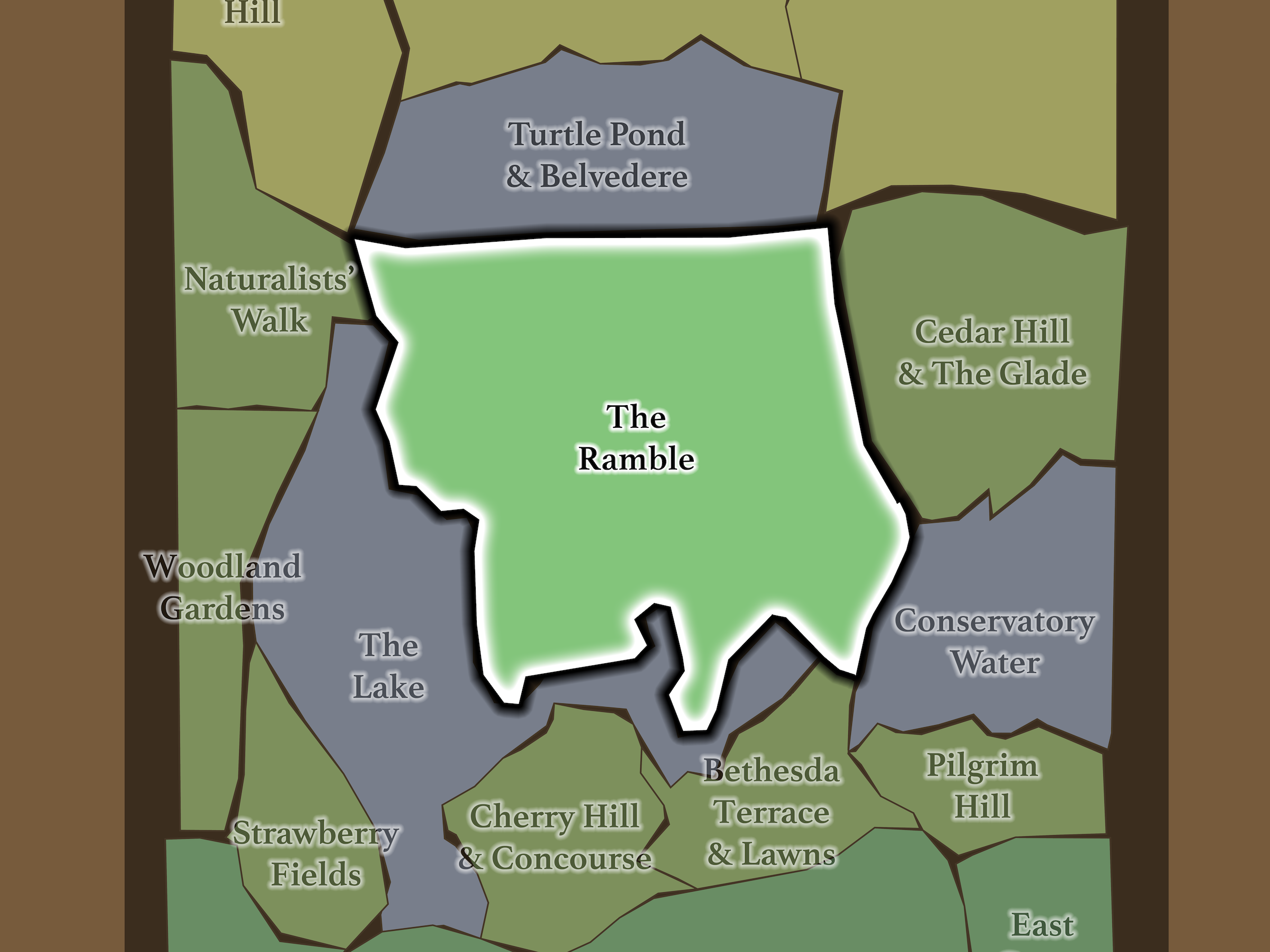
The Ramble occupies roughly 36 acres of steep, wooded terrain in Mid-Park South between approximately 73rd and 79th Streets. The Lake wraps around its southern shoreline; Naturalists’ Walk lies across West Drive; Turtle Pond & Belvedere begin beyond the 79th Street Transverse; and Cedar Hill & The Glade lie across East Drive. The Boathouse occupies the southeastern Lake shore immediately beside the woodland.
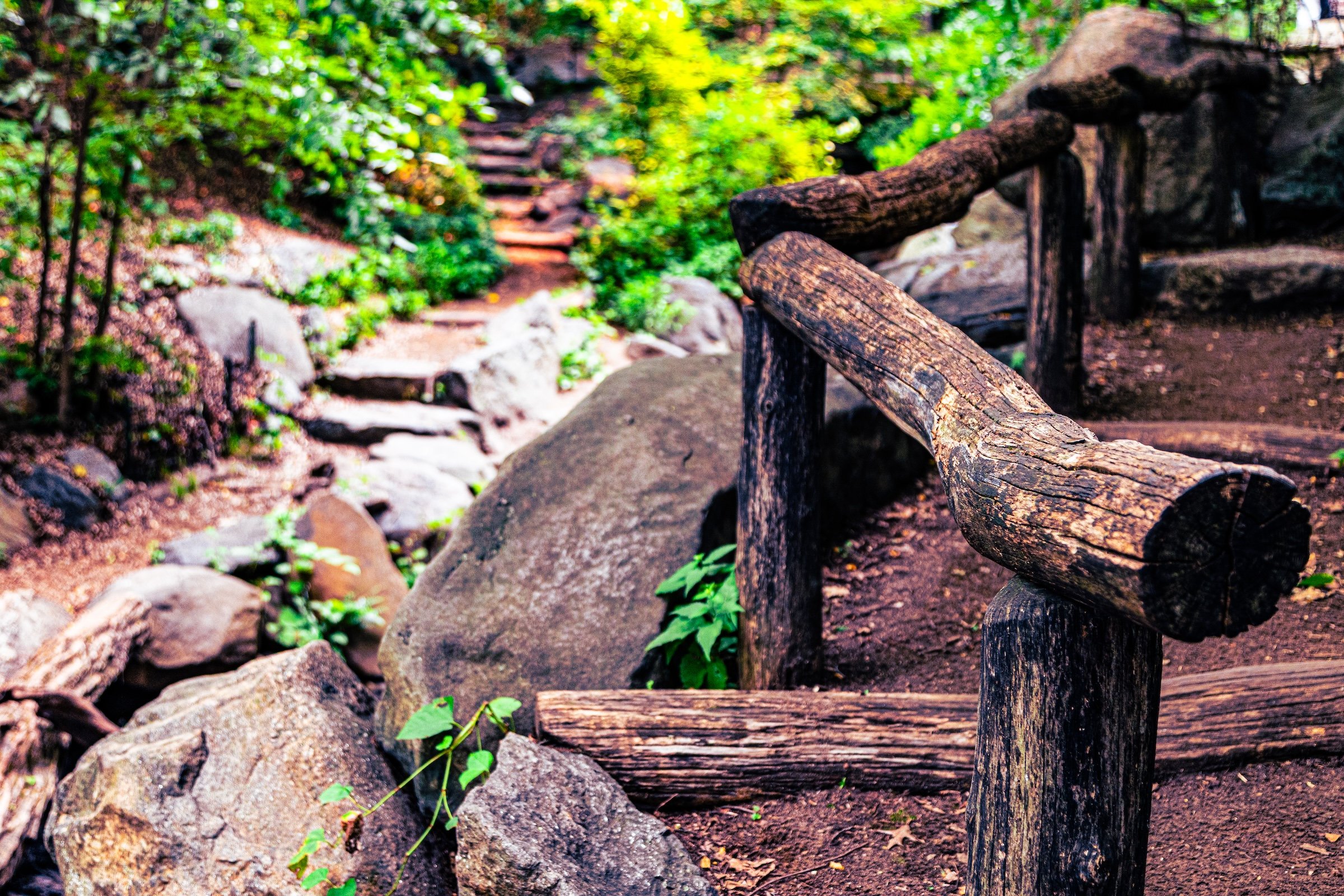
Within those comparatively compact boundaries is one of Central Park’s most complex landscapes. Rock outcrops rise above narrow valleys; paved walks intersect rustic trails; small meadows appear unexpectedly among dense trees; and The Gill winds downhill through Azalea Pond before cascading into The Lake.
The result is one of Central Park’s great illusions of scale: the Ramble is bounded, but rarely feels finite.
Etymology
The Ramble is aptly named for the activity it was designed to encourage: wandering without a predetermined destination. Frederick Law Olmsted described the 36-acre woodland as a “wild garden,” deliberately filled with interlacing paths, rugged terrain, water, bridges and dense vegetation to create mystery and discovery within the center of Manhattan.
Unlike a promenade such as The Mall, the Ramble does not tell visitors where to go. Its landscape is intentionally intricate enough that getting slightly lost is part of the experience.
History
1858–1873: Greensward Plan & Construction
The Ramble was fundamental to Olmsted and Vaux’s vision of Central Park as an escape from urban life.
Inspired by landscapes such as the Catskills and Adirondacks, they wanted city residents—particularly those who could not afford to leave New York—to experience something resembling wilderness without leaving Manhattan. Existing hills and Manhattan schist provided the geological framework, but almost everything that makes the Ramble feel wild was constructed: trees and shrubs were planted, paths laid out, water introduced, rustic structures built and an underground system created to manage irrigation and drainage.
The Gill is perhaps the clearest expression of that artifice. Its water emerges from concealed plumbing, flows through Azalea Pond and follows an irregular rocky channel before spilling into The Lake. It appears entirely natural while being thoroughly engineered.
That tension—wildness created through extraordinary control—defines the Ramble.
1858–1899: Early History & Grand Openings
The Ramble was one of the earliest sections of Central Park completed and opened to visitors. Its effect was immediate.
Clarence Cook’s influential 1869 guide to Central Park called the Ramble “the greatest attraction the Park contains,” marveling at how thoroughly an engineered landscape could convey the sensation of wilderness. Olmsted and Vaux had created something almost paradoxical: one of Central Park’s most intensively designed environments became the place where design was least apparent.
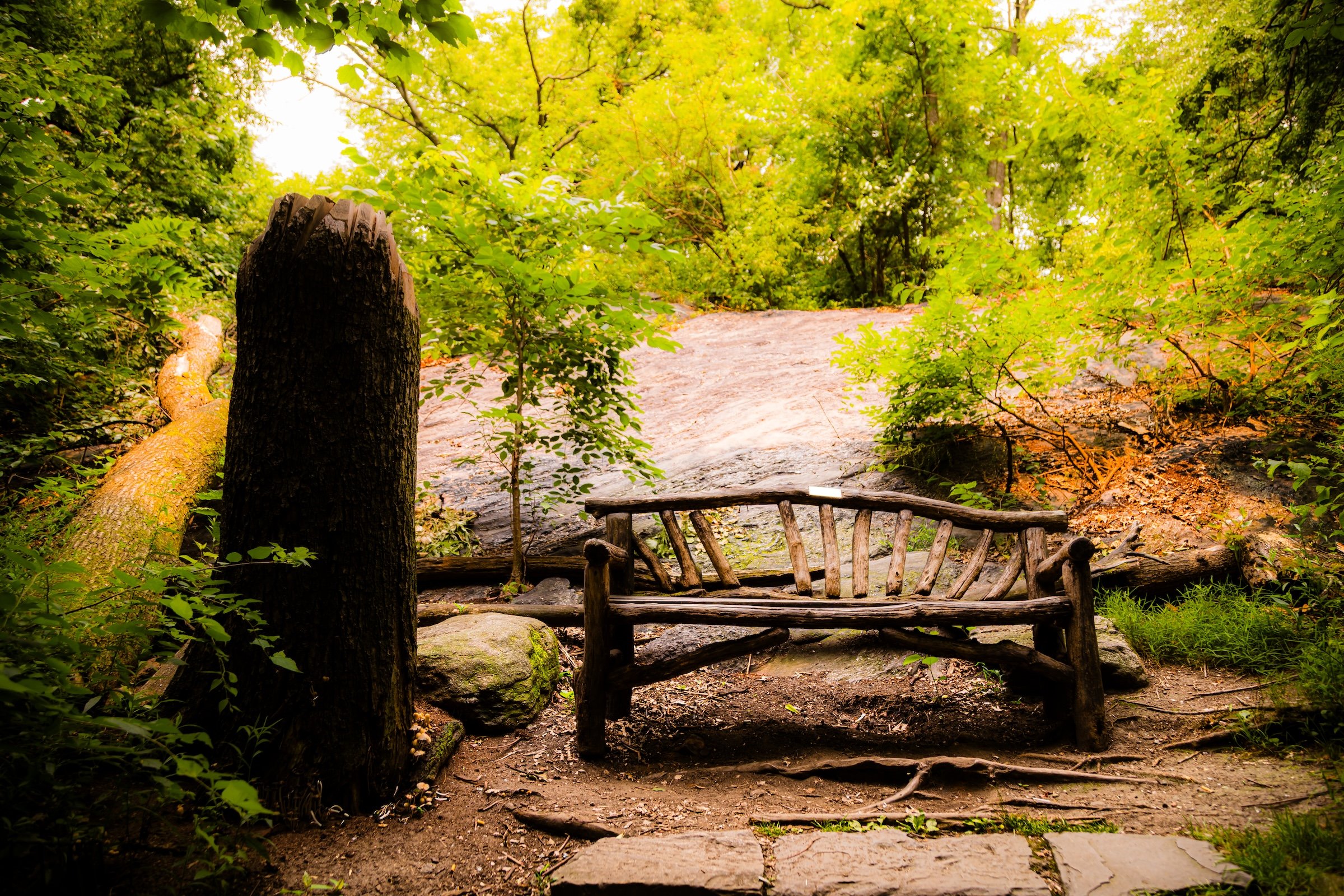
Rustic bridges and shelters were deliberately constructed to appear handmade and picturesque. Ramble Stone Arch was assembled from rough-hewn stone between natural rock outcrops, creating the illusion of passing through a naturally formed gorge. The Cave could even be approached from The Lake, extending exploration from woodland into rock and water.
By the late nineteenth century, the Ramble had become exactly what its designers intended: not scenery merely to be viewed, but landscape to be entered and explored.
20th Century: Transformation & Restoration
The very qualities that made the Ramble compelling also made it difficult to maintain. During much of the twentieth century, woodland landscapes were mistakenly treated as though they could sustain themselves. Paths deteriorated, the Gill filled with sediment, invasive species spread and rustic structures disappeared.
Its seclusion also gave the Ramble an important social history. By the early twentieth century it had become one of New York’s significant meeting and cruising places for gay men; by the 1920s, one northern lawn was known within the community as the “Fruited Plain.” That history also included police entrapment, arrests and anti-gay violence, making the Ramble an important if complicated part of New York’s LGBTQ+ geography.
The Ramble was also already becoming internationally important to birdwatchers, its woodland, water and varied vegetation making it especially valuable during spring and autumn migration.
Restoration began almost immediately after the Central Park Conservancy was established. Work at The Point in 1980 was among the organization’s earliest landscape projects. Ten acres along the Lake edge were restored by 2009, followed by restoration of the remaining 26 acres between 2013 and 2018. Paths, bridges, soils, native vegetation and the Gill were rehabilitated while preserving the Ramble simultaneously as historic landscape and wildlife habitat.
Explore
21st Century: Renovation & Modernization
Today, the Ramble is Central Park’s invitation to stop navigating efficiently.
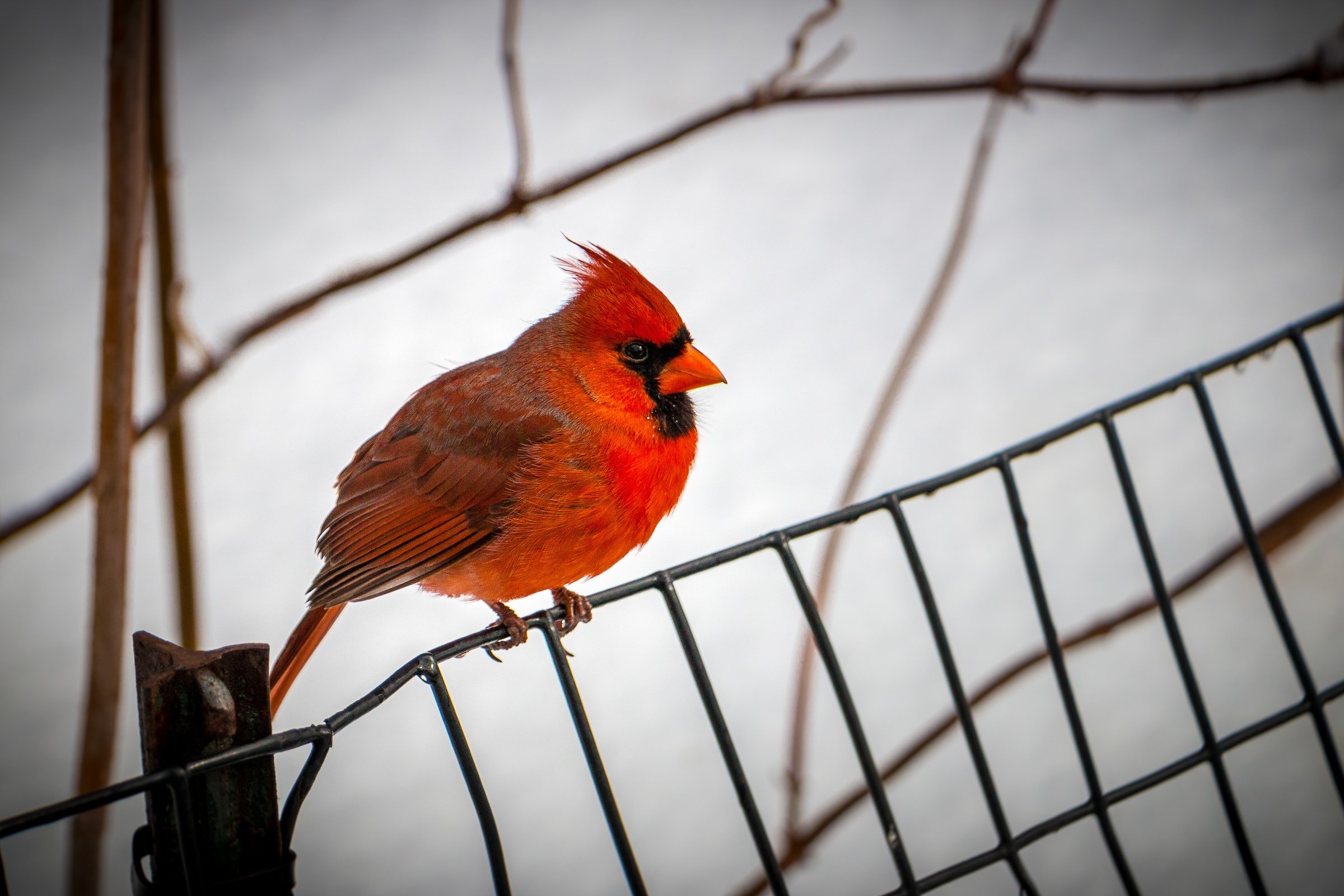
More than 200 bird species visit the landscape over the course of a year, especially during migrations along the Atlantic Flyway. Azalea Pond, Tupelo Meadow, Evodia Field, Maintenance Meadow and numerous rocky overlooks have become landmarks within New York’s extraordinary birding culture.
But you do not need to know their names.
Follow the Gill until another path looks more interesting. Cross a rustic bridge. Climb a rock. Find a meadow you did not know existed. Descend toward The Lake and suddenly encounter a skyline across the water, then turn back into the trees until Manhattan disappears again.
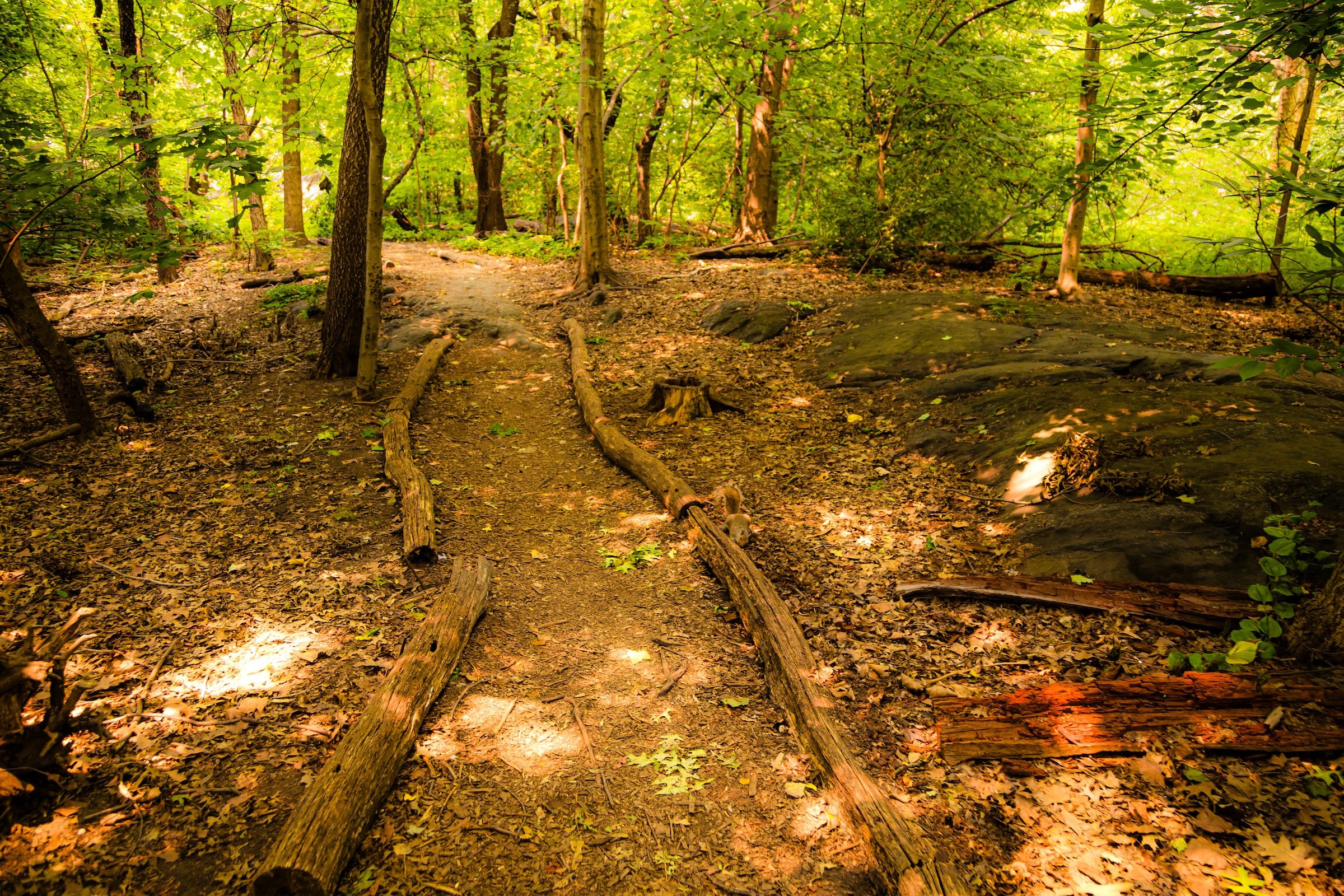
The Ramble's design repeatedly manipulates light, sound, elevation and visibility. Dense foliage gives way to sudden clearings. Dappled sunlight crosses dark paths. Water appears and disappears beside the trail. A staircase can lead upward toward a rock overlook while another route dives beneath the canopy.
The Conservancy calls it Central Park’s most intricate and detailed landscape. That intricacy is precisely what prevents it from becoming exhausted through familiarity.
You could spend an hour here or a lifetime.
The best instruction may still be the simplest: turn off the GPS and ramble.
Waypoints
-
A slow-moving section of The Gill surrounded by azaleas and rhododendrons, this small pond is one of the Ramble’s most productive and popular birdwatching locations.
-
This distinctive glacial boulder is prominent enough to appear as a named stop on the Conservancy’s self-guided Ramble map, another example of geology becoming a navigational landmark within the woodland.
-
This secluded northern arm of The Lake forms one of the Ramble’s richest shoreline environments. Restoration returned aquatic habitat and historic views, while the reconstructed Bank Rock Boat Landing again projects from its rocky shore.
-
One of the Ramble’s numerous named rock formations, Bonfire Rock sits near Tupelo Meadow and appears on the Conservancy’s own exploration map of the woodland.
-
The Ramble once contained a small cave that could be entered from The Lake. Its opening is now closed, but the site survives as a reminder of just how thoroughly the original landscape was designed around exploration and surprise.
-
Another important birding clearing, Evodia Field contains a longstanding feeding station and can become especially active during spring and fall migration.
-
This entirely constructed stream begins from concealed plumbing, flows through Azalea Pond and descends through cascades and beneath rustic crossings before emptying into The Lake.
-
The path between West 77th and 79th Streets honors Iphigene Ochs Sulzberger, longtime Central Park preservationist and philanthropist whose advocacy helped protect the park’s naturalistic character.
-
A modest clearing near the eastern side of the Ramble, Maintenance Meadow has become one of the named locations used by Central Park’s birding community, particularly during migration.
-
A rocky peninsula projecting into The Lake, The Point offers broad views toward Bethesda Terrace and Bow Bridge while remaining enclosed behind by the Ramble’s woodland.
-
Constructed around 1909 as a comfort station, this modest maintenance and restroom building remains embedded within the woodland rather than standing as a prominent civic structure.
-
Built from rough-hewn stone between massive outcrops, the arch was deliberately designed to resemble a natural gorge rather than conventional architecture.
-
One of the woodland’s open-air structures, the shelter continues Olmsted and Vaux’s tradition of rustic architecture designed to blend into the landscape rather than dominate it. The Conservancy has reconstructed lost rustic structures as part of its Ramble restoration.
-
Edward Kemeys’ remarkably lifelike bronze panther has crouched directly upon a rock outcrop above East Drive since 1883. Its understated placement can still make the animal appear startlingly alive among the trees.
-
This woodland clearing is anchored by a celebrated three-trunked black tupelo thought to predate Central Park. Its foliage turns dramatically crimson in autumn.
-
A long-established birding landmark within the Ramble, Warbler Rock appears on historic ornithological maps of the landscape and remains associated with spring and fall migration.
-
Weather instruments immediately south of Belvedere continue the meteorological tradition established here when the U.S. Weather Bureau began using the Castle in 1919.
-
A familiar birding landmark within the Ramble’s interior, Willow Rock belongs to the dense unofficial geography through which regular visitors learn to navigate the woodland.
Photography
Visual Identity
Central Park has no single visual identity. It moves between open meadow and enclosed woodland, exposed bedrock and carefully planted garden, reflective water and hard-edged skyline. Its paths can narrow into shade beneath old trees, then open suddenly toward towers, lakes, monuments, or a broad field filled with people. The Park’s character is made from those transitions: the designed discovery of one landscape giving way to another.
Water and horizon recur throughout its geography. The Lake, Reservoir, ponds, fountains, and seasonal pools of light create places of reflection—sometimes literal, sometimes figurative—where the city appears fractured, softened, or enlarged. Beyond them, Manhattan’s towers remain present as a constant reminder that this cultivated landscape exists within, not apart from, one of the world’s densest cities.
Its visual language also changes dramatically with the seasons. Winter exposes branches, stone, and skyline; spring briefly turns the Park into blossom and color; summer fills its lawns and paths with activity; autumn intensifies the drama of canopy, water, and light. Central Park is designed to be revisited, and its identity is never fixed for long.