
ARSENAL & ZOO
Location
Geographic Setting
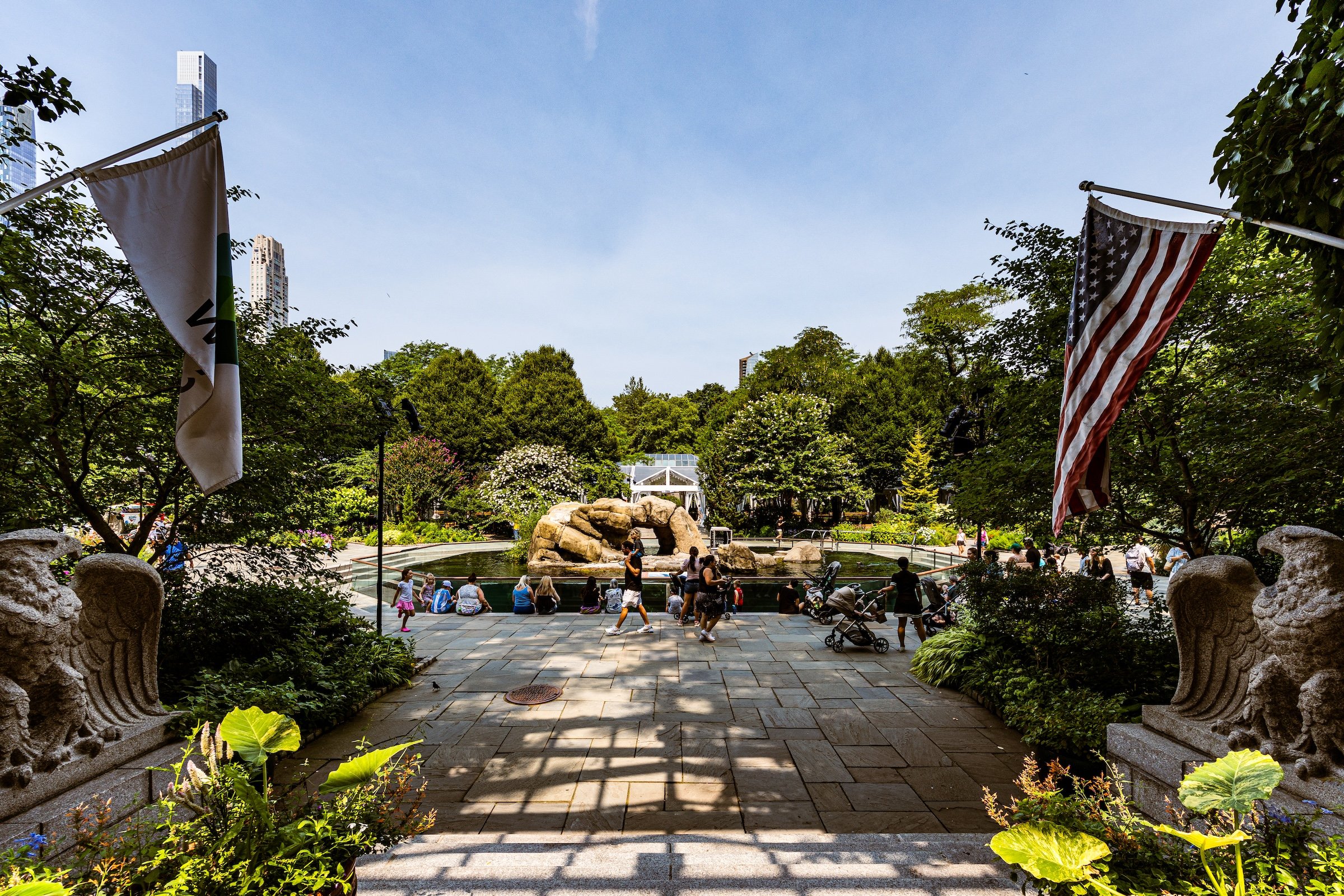
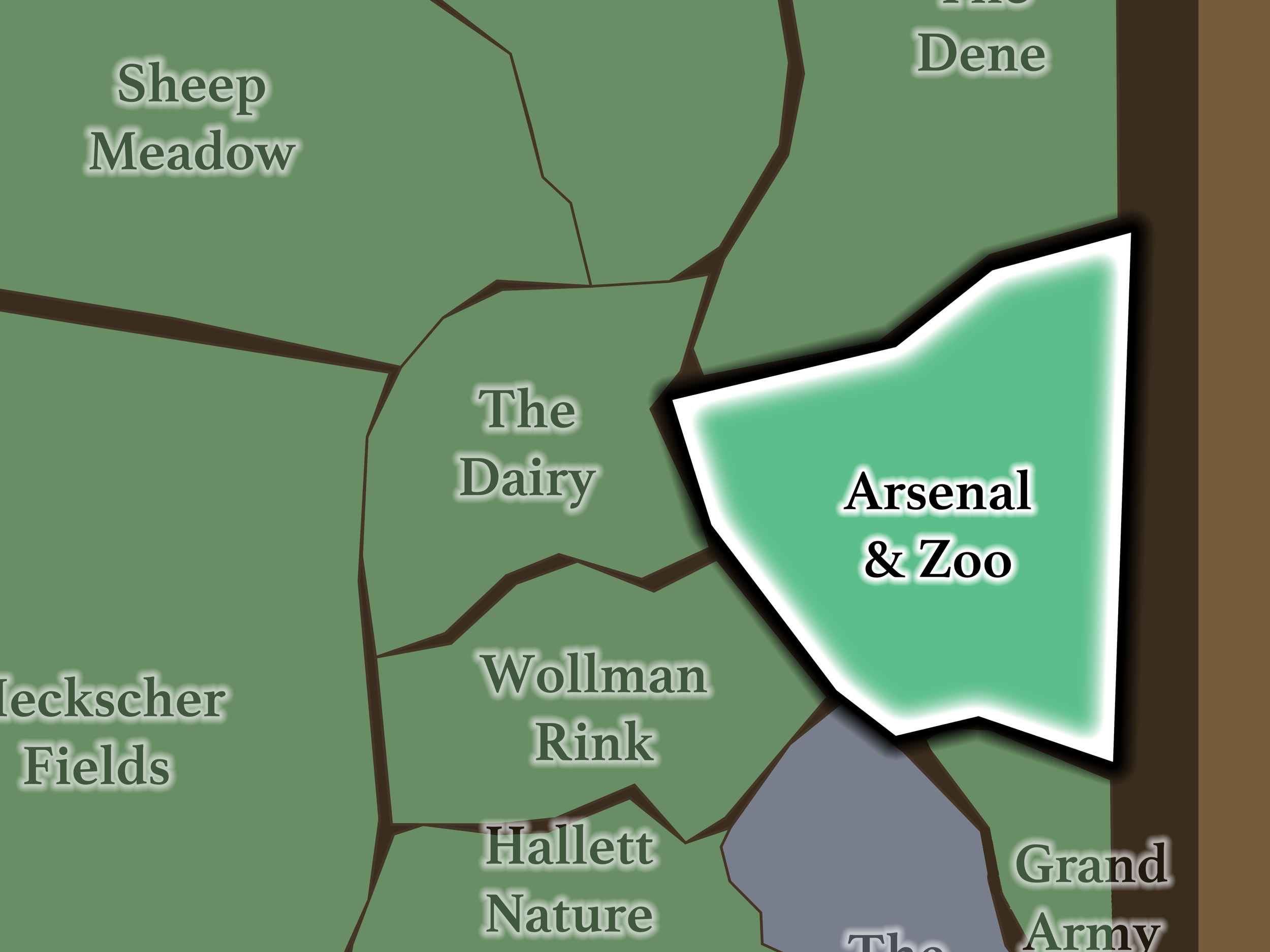
The Arsenal & Zoo occupies the eastern edge of the South End between roughly East 63rd and East 66th Streets. The Pond lies immediately south; Wollman Rink and The Dairy sit across East Drive to the west; The Dene begins above East 66th Street; and Fifth Avenue separates the neighborhood from Lenox Hill.
Unlike the pastoral landscapes surrounding it, this is a distinctly architectural and institutional district. The Arsenal establishes a strong Fifth Avenue presence, while the Zoo extends westward through courtyards, animal habitats and pedestrian passages. Yet original Central Park circulation survives around and beneath it, most notably at Green Gap Arch.
Etymology
The Arsenal & Zoo takes its name from the two institutions that define this eastern South End landscape: the Central Park Zoo and the Arsenal. Their histories are intertwined, but they come from very different moments. The Arsenal predates Central Park itself, while the Zoo evolved gradually from an informal collection of animals gathered around the building after the park opened.
The pairing therefore captures something unusual within Central Park: one of the park’s oldest surviving structures beside an institution that was never part of Olmsted and Vaux’s original plan but became inseparable from Central Park’s identity.
History
1858–1873: Greensward Plan & Construction
The Arsenal presented Olmsted and Vaux with something unusual when they began designing Central Park: a major building that was already there.
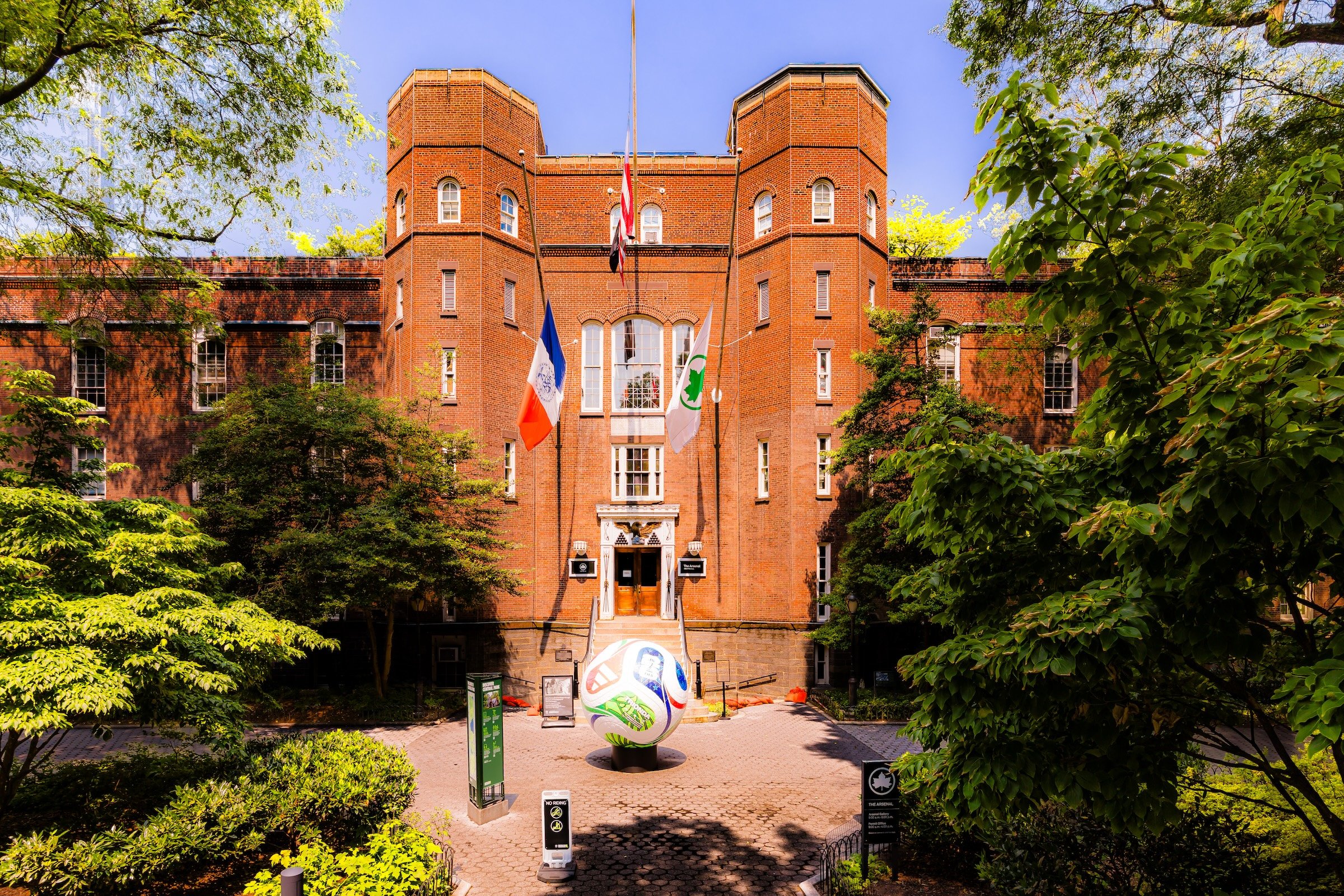
Constructed between 1847 and 1851 as a munitions depot for New York State’s militia, the fortress-like brick structure was only a few years old when the City acquired its land for Central Park. Rather than erase it, the new park inherited it. It remains one of only two buildings within Central Park that predate the park itself.
A zoo, however, was not part of the Greensward Plan. Animals donated to Central Park began accumulating near the Arsenal, and enclosures were gradually erected to accommodate what became an informal menagerie. The institution therefore represents an early example of public use rewriting part of Olmsted and Vaux’s program after the park had begun operating.
1858–1899: Early History & Grand Openings
By the 1860s, the growing collection of animals around the Arsenal had become one of Central Park’s popular attractions. What began informally evolved into one of the country’s earliest public zoos, closely associated with the Arsenal and its surrounding grounds.
The Arsenal itself became remarkably adaptable. Its military purpose gave way to an assortment of civic and scientific uses, including a police precinct, weather bureau and animal collections. Most notably, the American Museum of Natural History made the Arsenal its first home. Its first public exhibitions opened there in 1871, before the Museum moved to its permanent site across Central Park West later in the decade.
That brief chapter makes this small corner of Central Park unexpectedly important to the cultural history of New York: one of the world’s great natural-history museums began inside a former weapons depot beside an emerging zoo.
20th Century: Transformation & Restoration
The informal menagerie was finally replaced in 1934 by a purpose-built Central Park Zoo under Parks Commissioner Robert Moses. The new complex introduced the brick buildings and central courtyard arrangement whose basic architectural footprint remains recognizable today.
A separate Children’s Zoo opened in 1961, entered through Paul Manship’s whimsical Lehman Gates. Four years later, the Delacorte Musical Clock was unveiled between the two zoos, its rotating bronze animals turning the pedestrian passage into an attraction of its own.
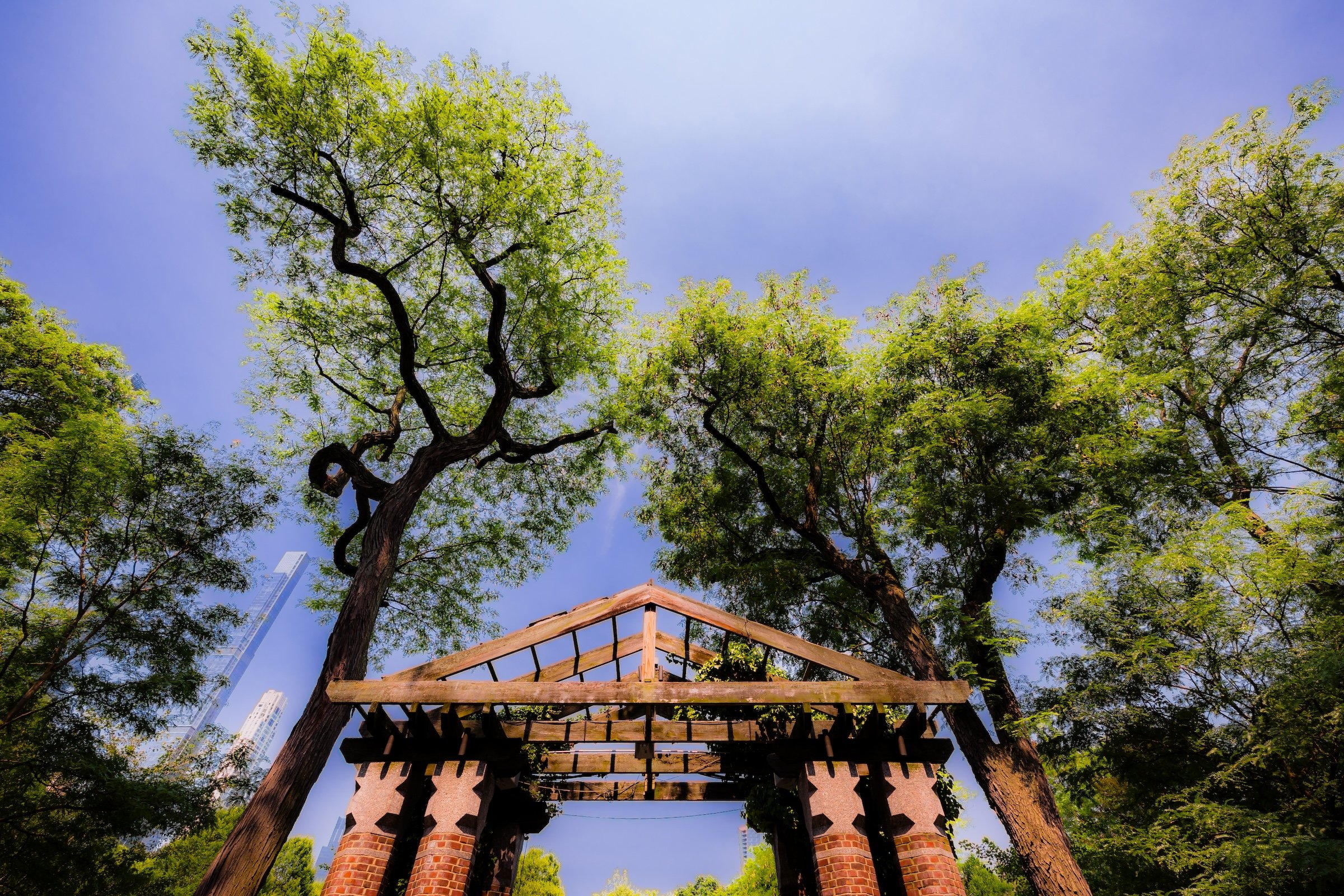
By the late twentieth century, however, attitudes toward zoos had changed substantially. The Wildlife Conservation Society assumed management and undertook a five-year reconstruction emphasizing more naturalistic habitats and modern animal care. The transformed Central Park Zoo reopened in 1988. That expansion also absorbed part of the original circulation landscape: nearby Green Gap Arch was closed to public passage and converted to storage.
Explore
21st Century: Renovation & Modernization
Today, The Arsenal & Zoo retains an unusual feeling of stepping between eras.
The Arsenal’s castellated brick façade still evokes its nineteenth-century military origins, while the Zoo’s brick arcades and central courtyard preserve much of the architectural character introduced in the 1930s. Between them, the animated Delacorte Clock contributes another distinctly mid-century layer.
Yet these historic forms now contain thoroughly contemporary institutions. The Zoo is organized around modern habitat environments including the Tropic Zone, Temperate Territory and Polar Circle, with conservation and education central to its mission. The Arsenal serves as the headquarters of NYC Parks and the Central Park Zoo and contains the Arsenal Gallery.
That accumulation of eras gives the neighborhood its character: military depot, scientific museum, Victorian menagerie, Robert Moses zoo, mid-century children’s attraction and modern conservation institution all occupy essentially the same small piece of Central Park.
Waypoints
-
Built between 1847 and 1851 as a state militia munitions depot, the Arsenal predates Central Park and has subsequently housed an extraordinary succession of civic uses—including the first home of the American Museum of Natural History. Today it serves as headquarters for NYC Parks and the Central Park Zoo.
-
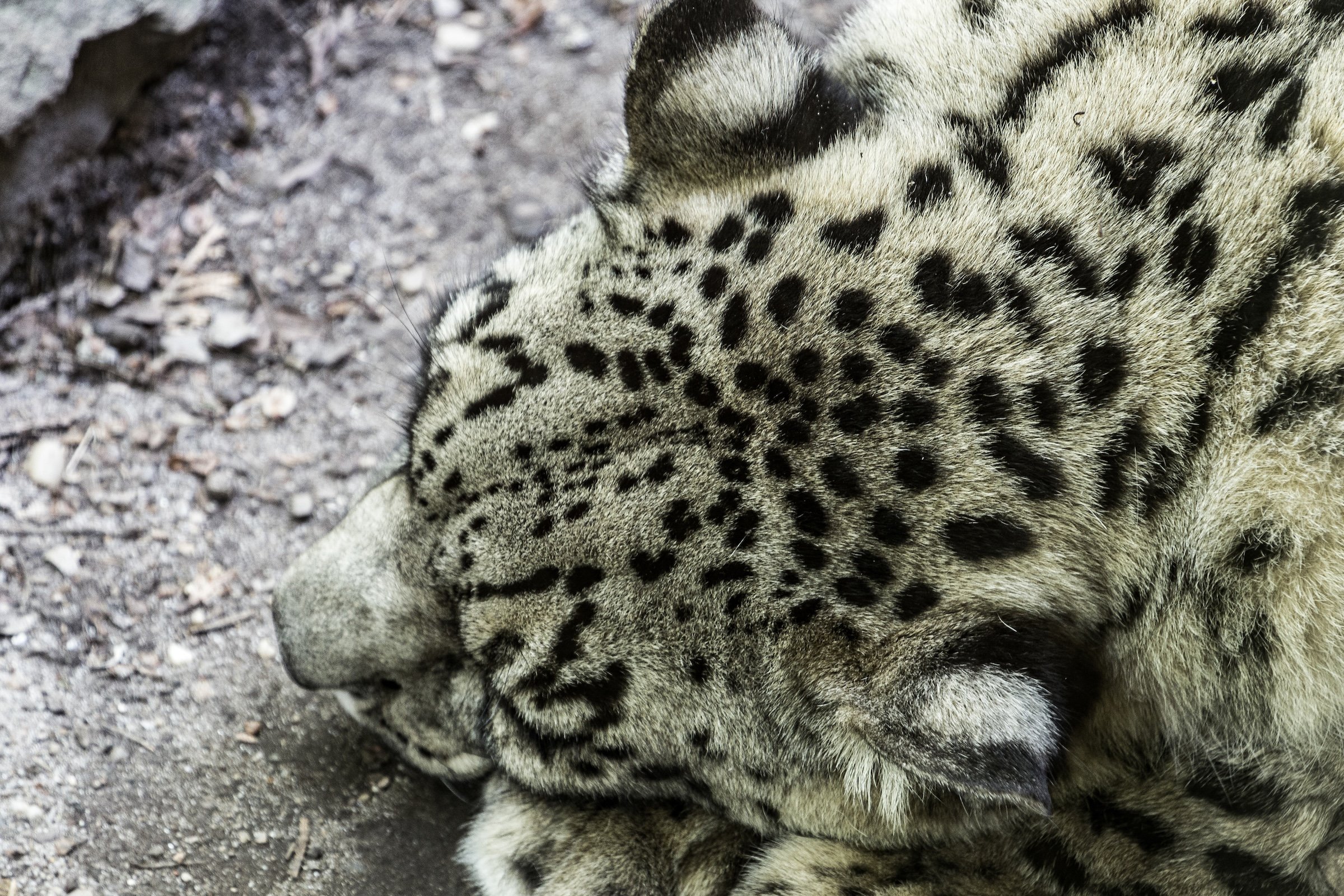
Descended from the informal nineteenth-century menagerie that developed beside the Arsenal, today’s seven-acre Zoo combines historic architecture with modern habitats and conservation-focused animal care.
-
Unveiled in 1965, the clock bridges the main Zoo and Children’s Zoo with a whimsical procession of bronze musical animals that circles every half hour.
-
One of Olmsted and Vaux’s original circulation structures, Green Gap once carried the carriage drive above a pedestrian path. It was closed during the Zoo’s 1988 reconstruction and now survives largely hidden as storage infrastructure.
-
A hands-on companion to the main Zoo, the Children’s Zoo emphasizes close encounters with domestic animals and playful exploration, continuing a child-centered zoo tradition established here in 1961.
Photography
Visual Identity
Central Park has no single visual identity. It moves between open meadow and enclosed woodland, exposed bedrock and carefully planted garden, reflective water and hard-edged skyline. Its paths can narrow into shade beneath old trees, then open suddenly toward towers, lakes, monuments, or a broad field filled with people. The Park’s character is made from those transitions: the designed discovery of one landscape giving way to another.
Water and horizon recur throughout its geography. The Lake, Reservoir, ponds, fountains, and seasonal pools of light create places of reflection—sometimes literal, sometimes figurative—where the city appears fractured, softened, or enlarged. Beyond them, Manhattan’s towers remain present as a constant reminder that this cultivated landscape exists within, not apart from, one of the world’s densest cities.
Its visual language also changes dramatically with the seasons. Winter exposes branches, stone, and skyline; spring briefly turns the Park into blossom and color; summer fills its lawns and paths with activity; autumn intensifies the drama of canopy, water, and light. Central Park is designed to be revisited, and its identity is never fixed for long.