
MID-PARK
(79th-86th Streets)
From 79th - 86th Streets; includes The Great Lawn, Belvedere Castle, Seneca Village, Turtle Pond and The Metropolitan Museum of Art.
The Map
Geographic Setting
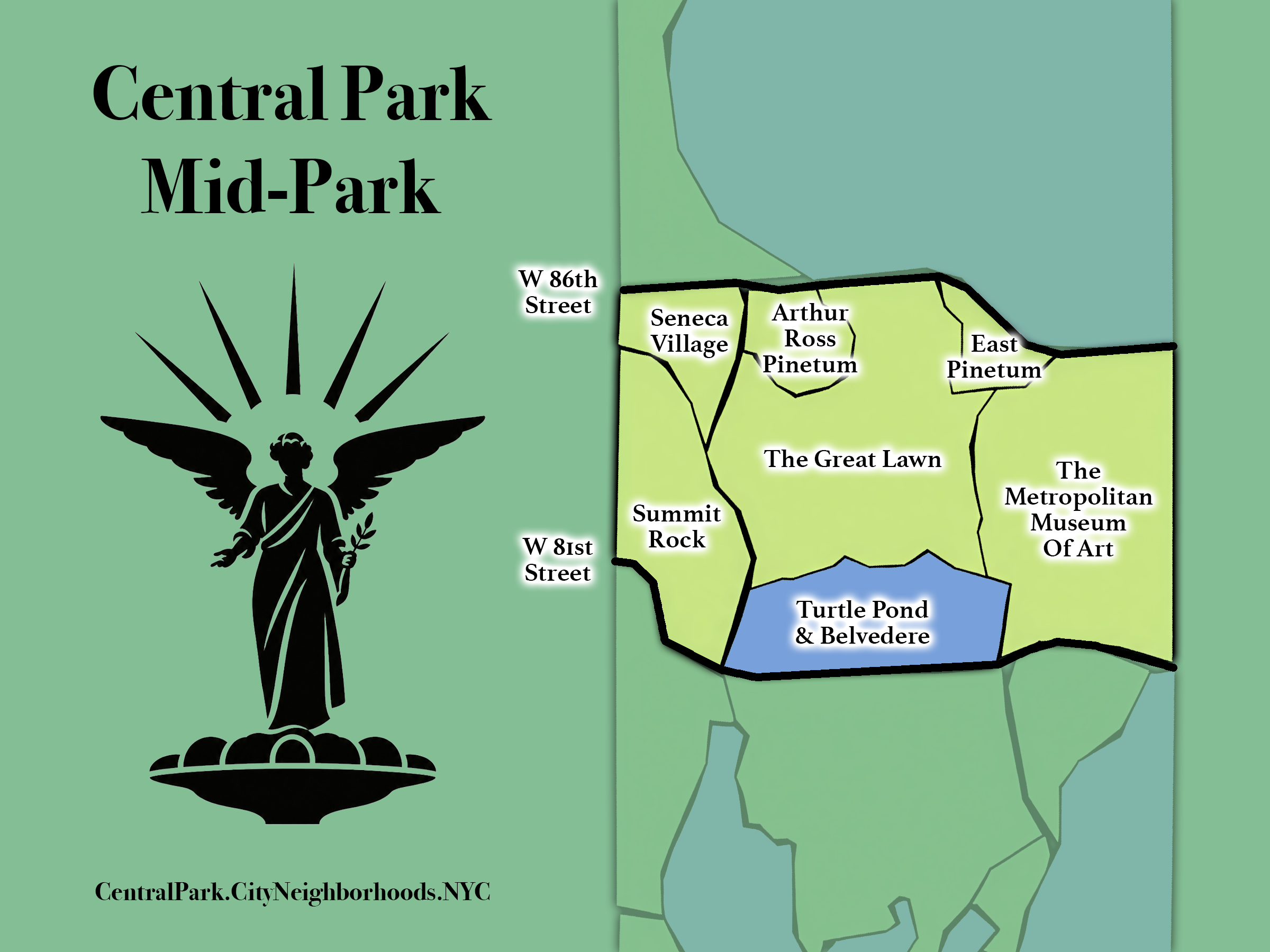
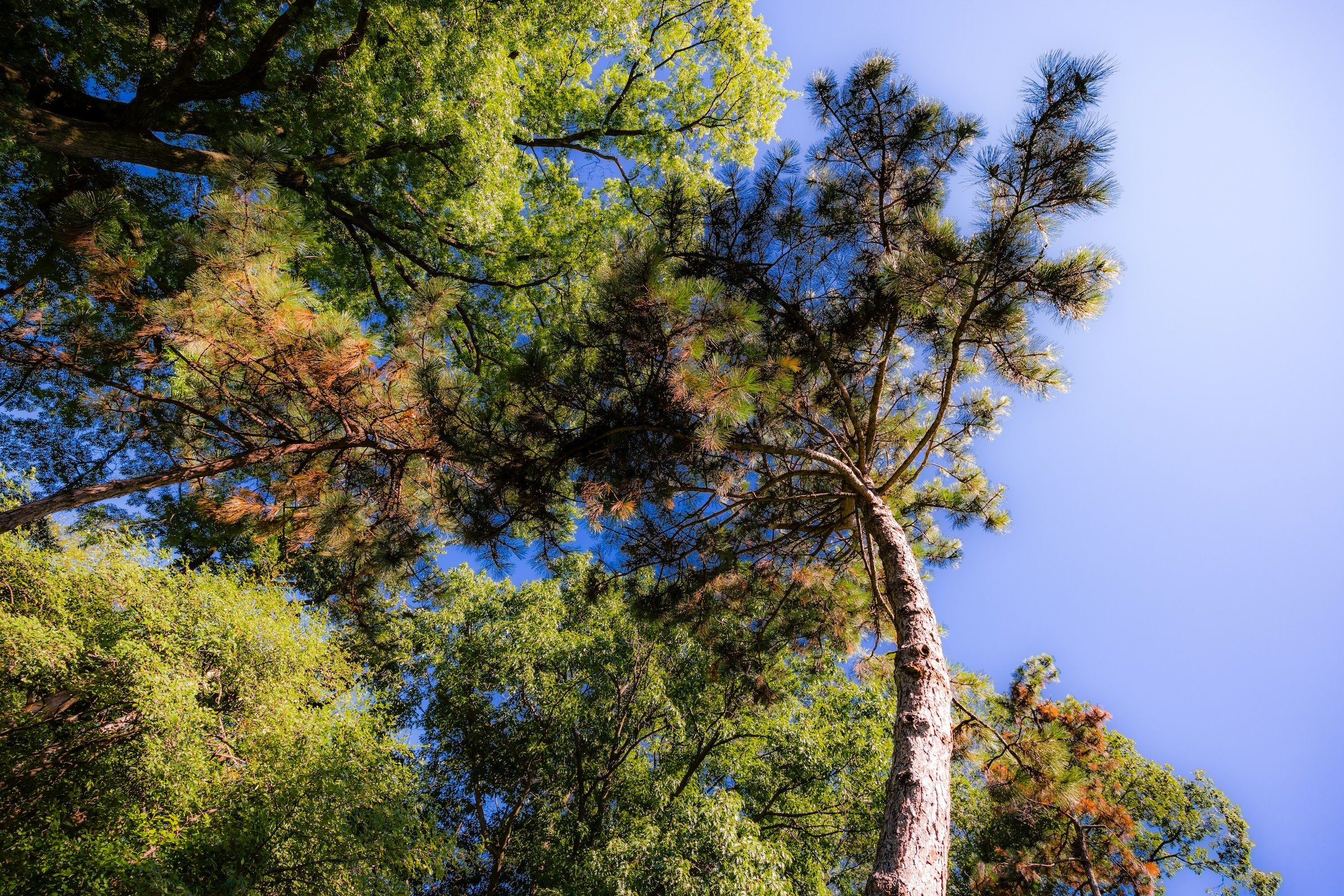
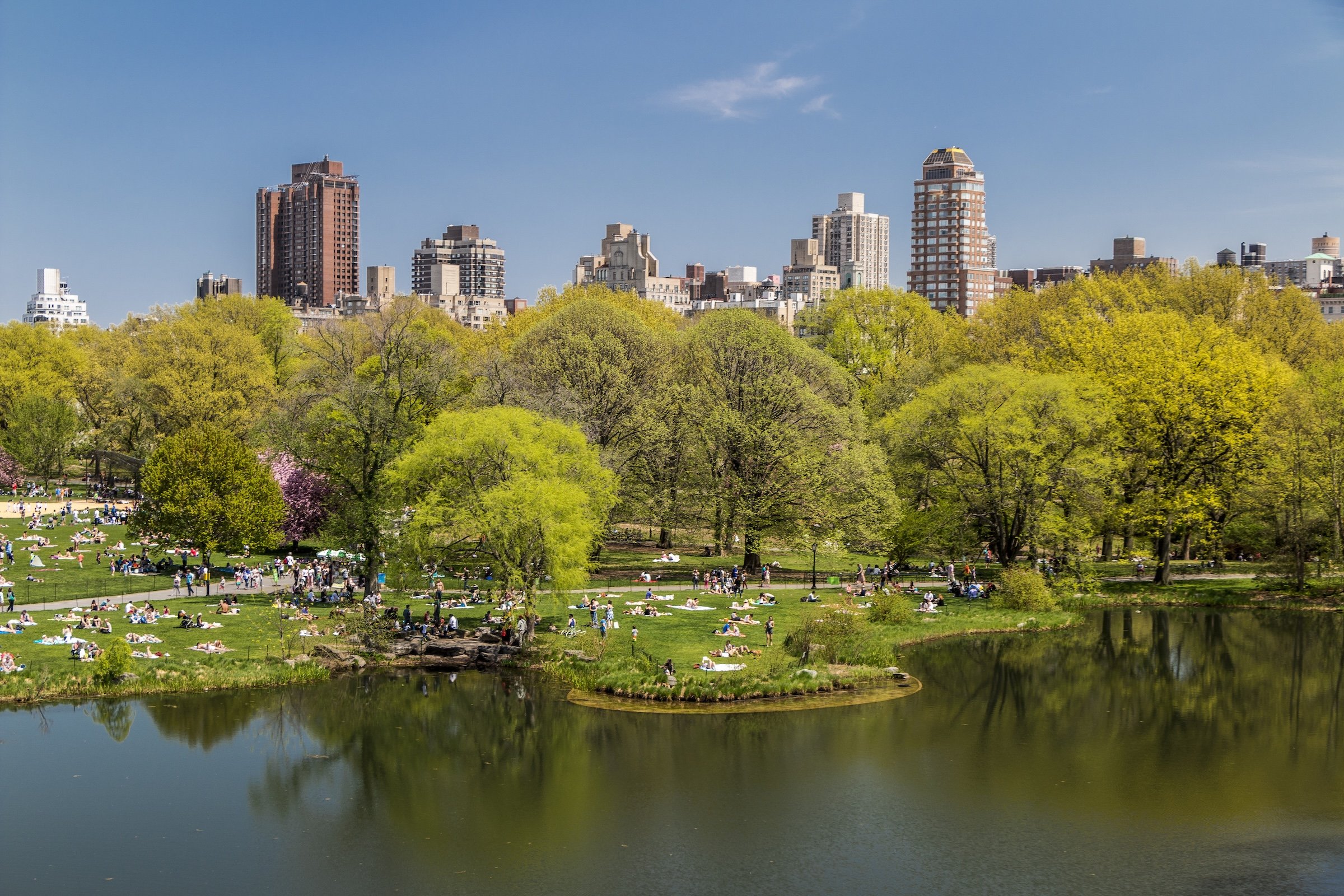
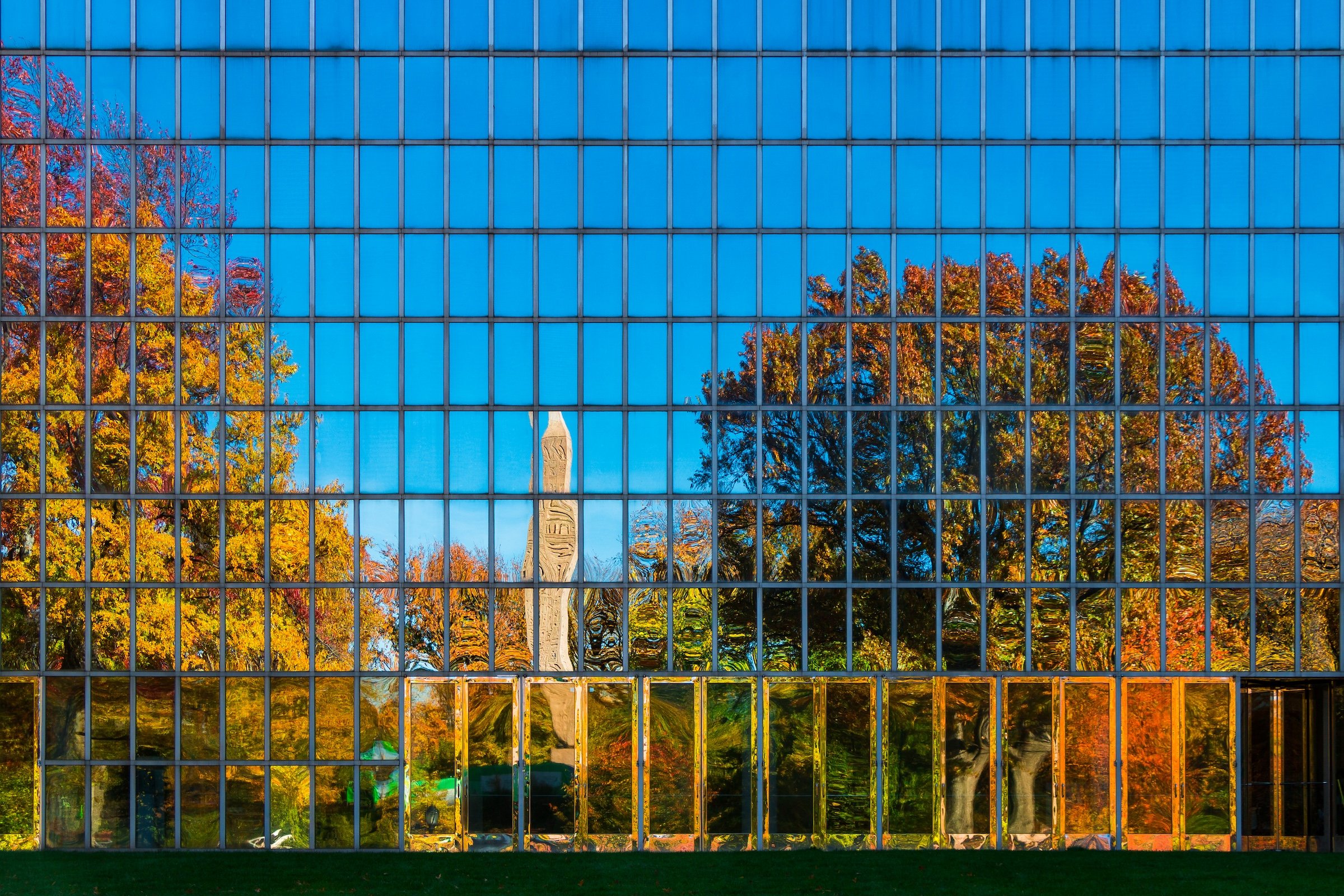
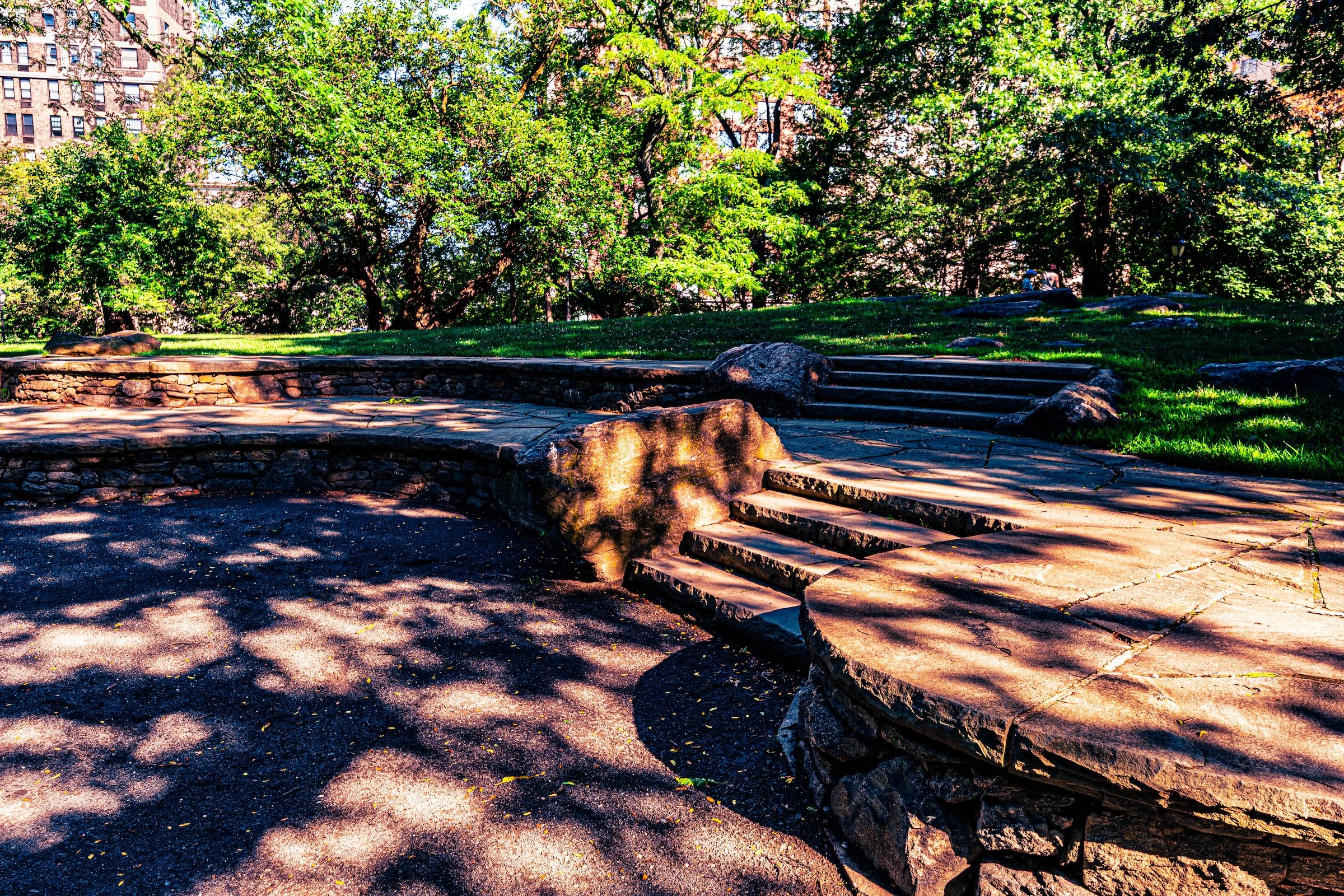
Mid-Park extends from 79th Street to 86th Street, occupying the geographic center of Central Park. Its neighborhoods include Turtle Pond & Belvedere, Summit Rock, Seneca Village, The Great Lawn, The Metropolitan Museum of Art, Arthur Ross Pinetum, and East Pinetum.
The region is organized around a comparatively level central landscape, framed by water at both ends. Turtle Pond establishes its southern threshold, while the northern edge approaches The Reservoir. Between them lie the broad openness of The Great Lawn, the institutional presence of The Metropolitan Museum of Art, and the contrasting landscapes of the Arthur Ross and East Pinetums.
The Heart
Etymology and Function
The Heart begins as a geographic description: Mid-Park sits directly at the center of Central Park. Yet the name also describes the role this region plays within the life and identity of the Park.
Here, several dimensions of Central Park converge. The Metropolitan Museum of Art brings a world-class cultural institution directly into the landscape. The Great Lawn has served as a gathering place for iconic public moments, including Simon & Garfunkel’s Central Park concert. Belvedere Castle supplies one of the Park’s most recognizable architectural presences, while Seneca Village recalls the community that occupied part of this landscape before Central Park existed.
In that sense, The Heart is not defined by one dominant function. Culture, gathering, memory, landscape, and movement meet here. It is a place from which Central Park seems both to converge and diverge.
Connections & Transitions
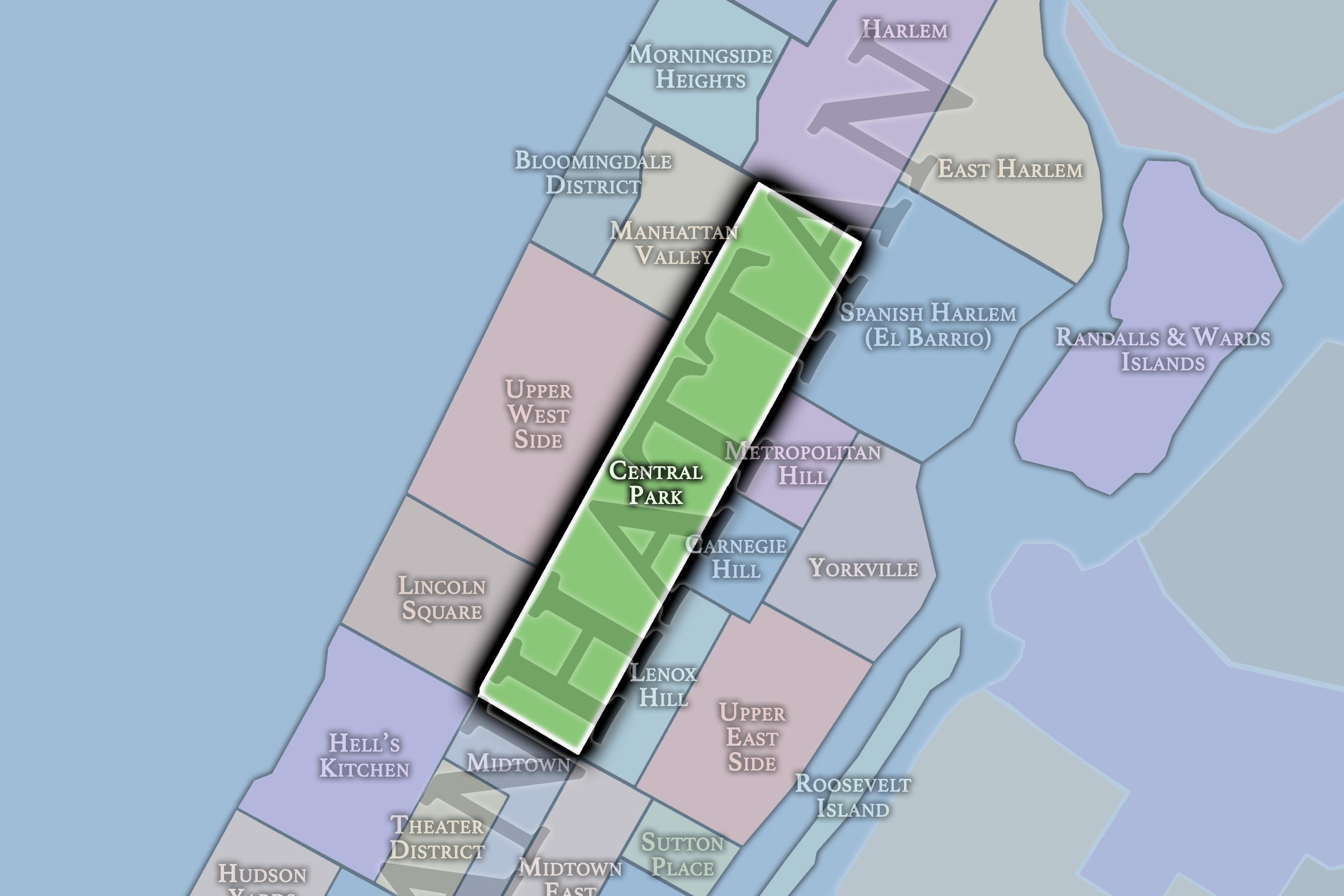
To the west, Mid-Park meets Central Park West, with the Beresford forming a prominent presence along the Park’s edge. To the east, the region connects directly with Metropolitan Hill and Museum Mile, a relationship made especially tangible by the Metropolitan Museum of Art itself.
From south to north, The Heart moves from water toward water. Turtle Pond establishes the southern edge, while The Reservoir defines the landscape just beyond its northern boundary. Between them, the terrain maintains a generally level character through The Great Lawn and the Metropolitan Museum of Art, producing a broad central interval between two major bodies of water.
The Neighborhoods
The Neighborhoods:
-
Arthur Ross Pinetum
-
East Pinetum
-
The Great Lawn
-
The Metropolitan Museum of Art
-
Summit Rock
-
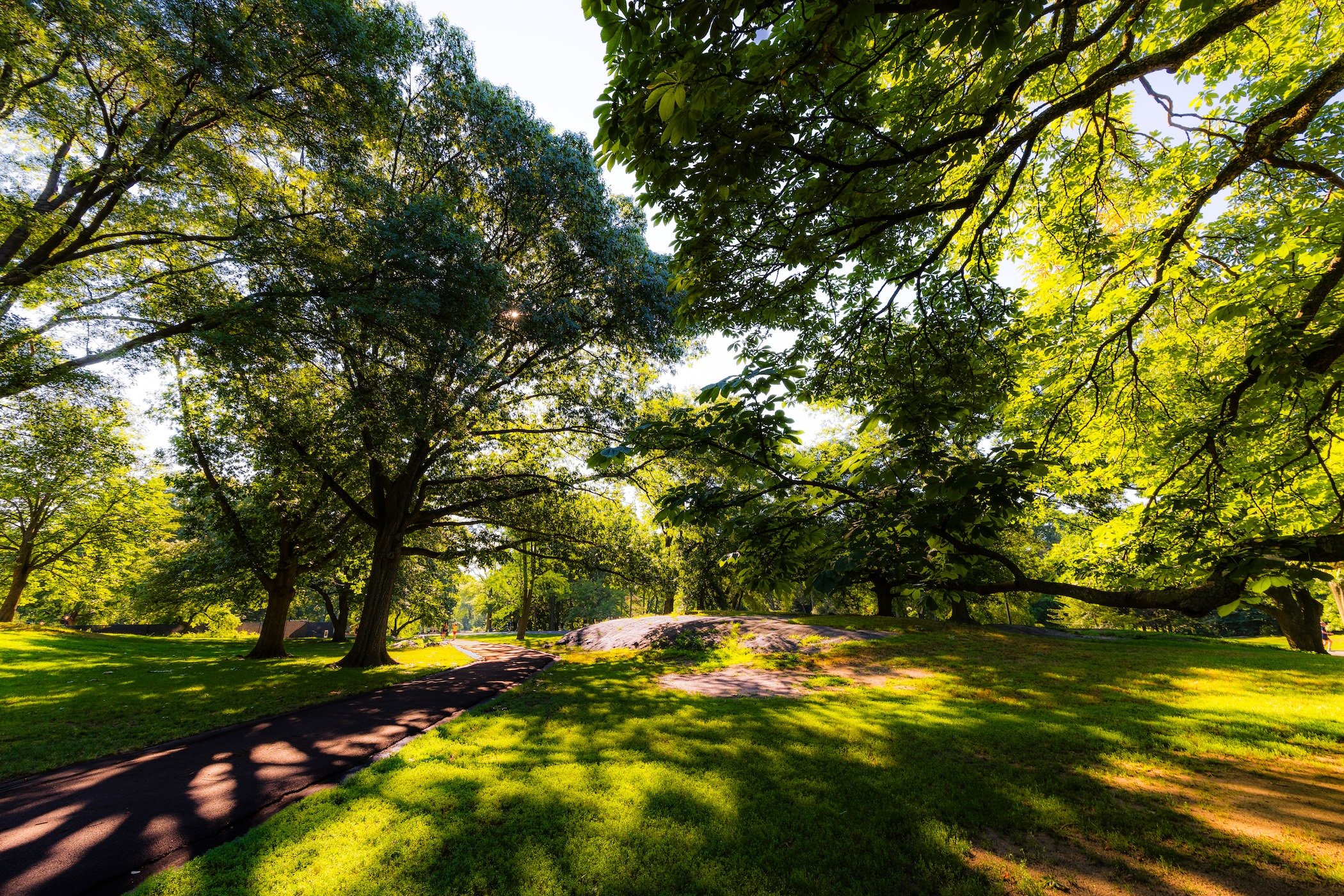
Seneca Village
-
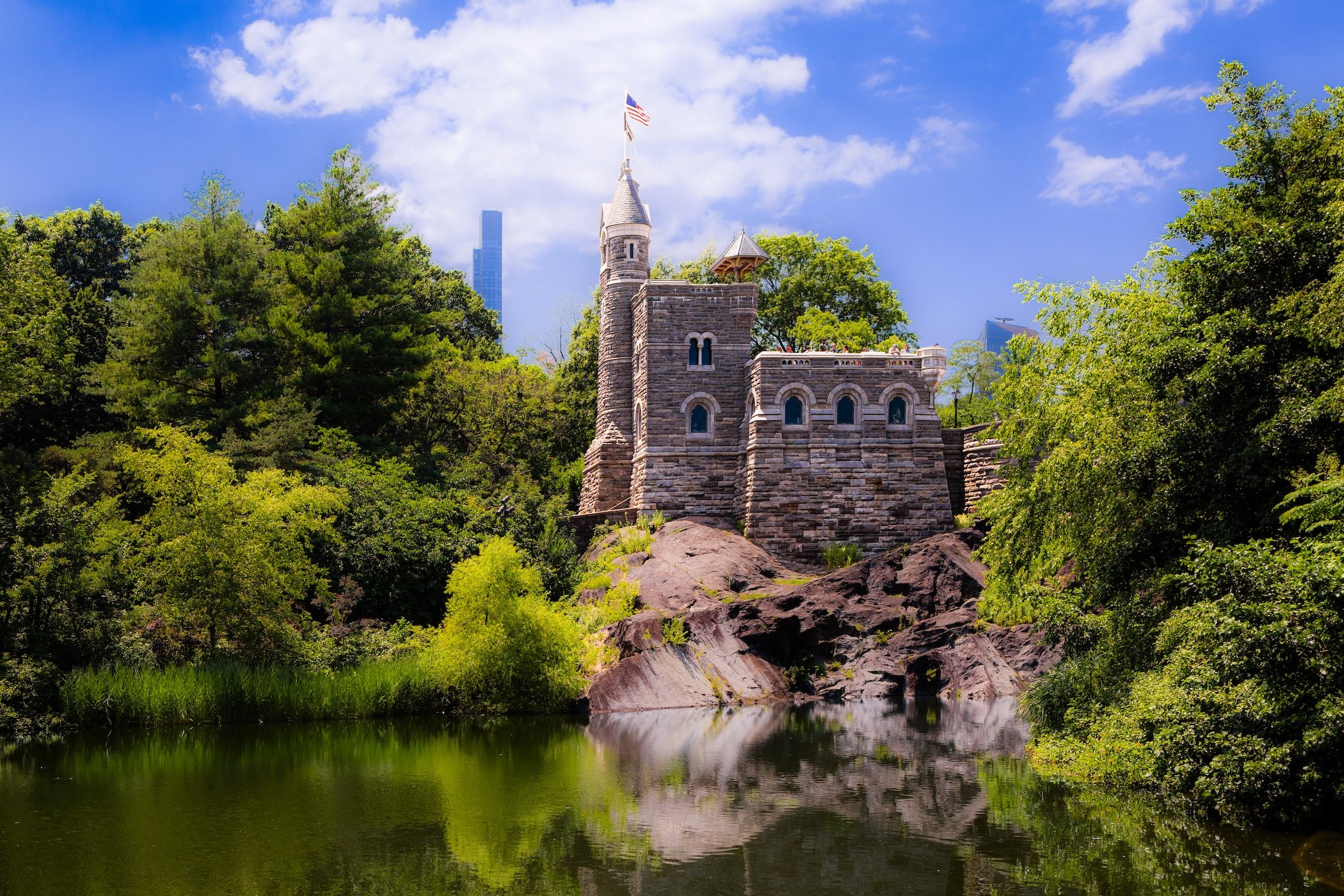
Turtle Pond & Belvedere
The Iconography
Geographic Icons
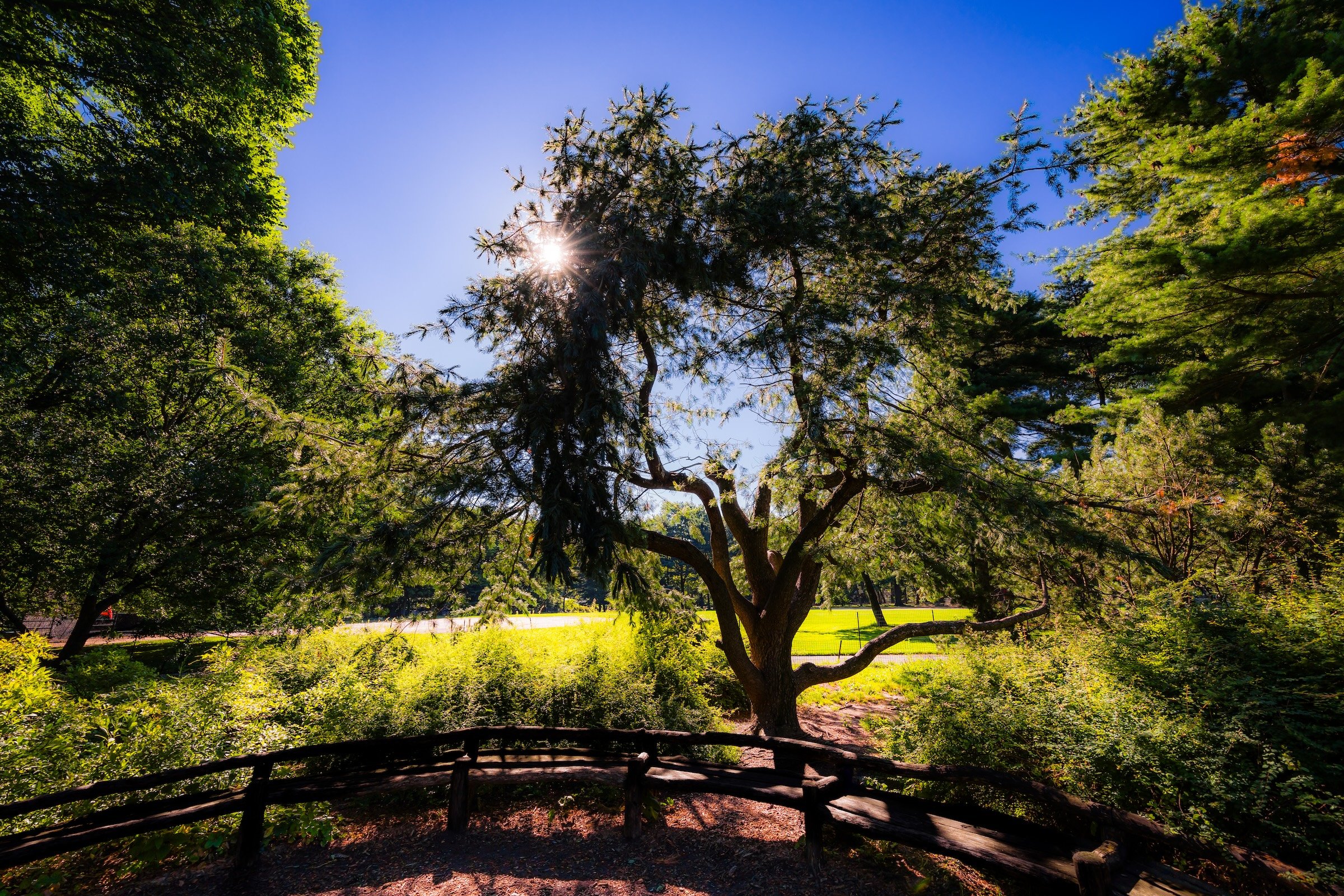
Mid-Park’s major geographic landmarks reinforce its role as the broad central heart of the Park. Turtle Pond anchors the southern end of the region, while The Great Lawn creates its largest open gathering landscape. To the north and east, the Arthur Ross Pinetum and East Pinetum introduce more concentrated tree-covered landscapes within the otherwise expansive central terrain.
Together, these places give Mid-Park a distinctive balance between water, open lawn, and wooded landscape.
Civic Icons
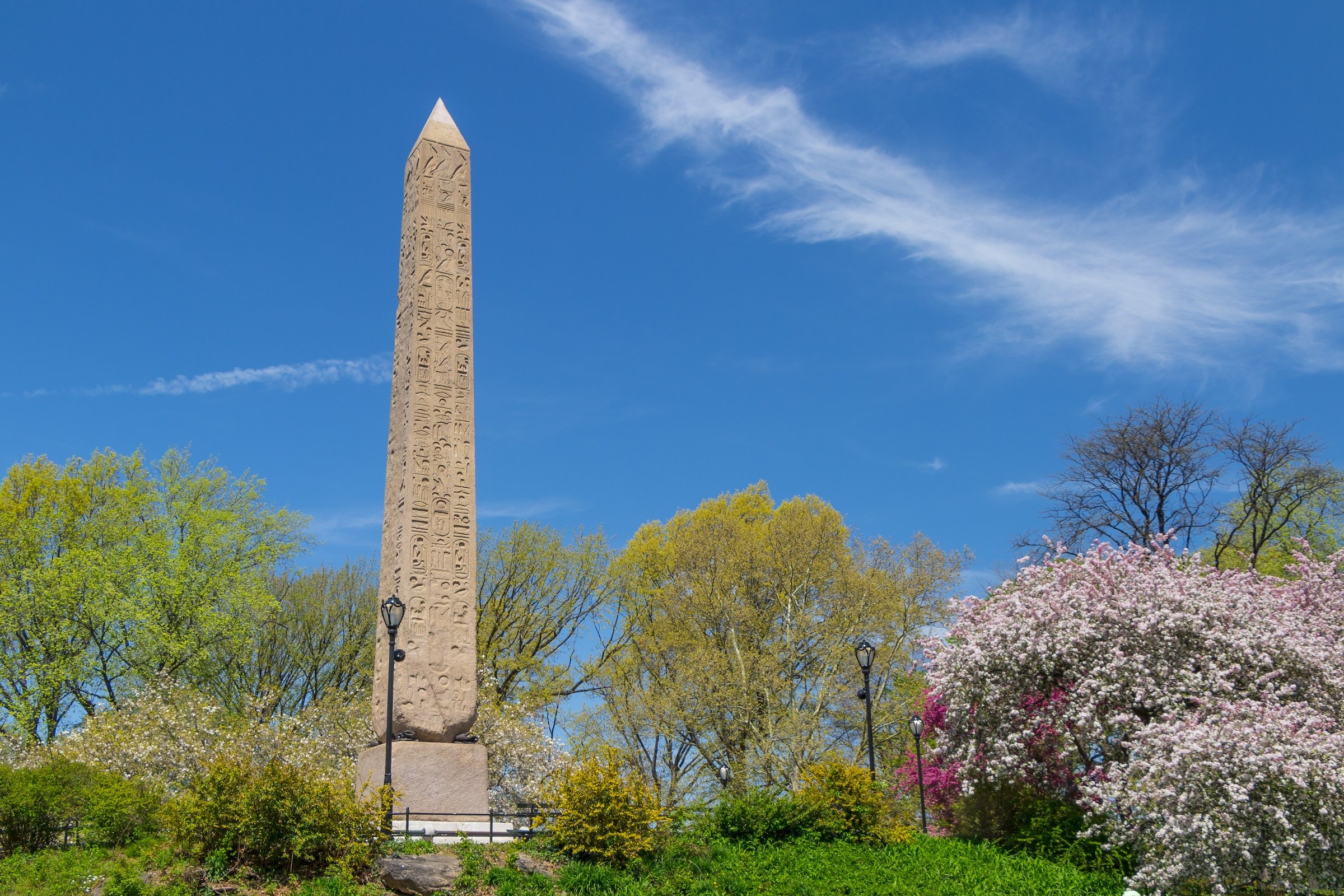
The civic landmarks of The Heart represent several different dimensions of Central Park’s public identity. Belvedere Castle gives the region a highly recognizable architectural focal point, while The Metropolitan Museum of Art establishes a major cultural institution within the Park itself. The Obelisk adds another prominent civic landmark, and the Delacorte Theater represents the region’s long-standing role as a setting for public performance.
Taken together, these landmarks reinforce the meaning of The Heart: a central region where landscape, culture, history, gathering, and civic life meet.
This one has a particularly strong internal logic because “The Heart” works simultaneously as geography, symbolism, circulation, history, and civic life.
The Photography
Visual Identity
Central Park has no single visual identity. It moves between open meadow and enclosed woodland, exposed bedrock and carefully planted garden, reflective water and hard-edged skyline. Its paths can narrow into shade beneath old trees, then open suddenly toward towers, lakes, monuments, or a broad field filled with people. The Park’s character is made from those transitions: the designed discovery of one landscape giving way to another.
Water and horizon recur throughout its geography. The Lake, Reservoir, ponds, fountains, and seasonal pools of light create places of reflection—sometimes literal, sometimes figurative—where the city appears fractured, softened, or enlarged. Beyond them, Manhattan’s towers remain present as a constant reminder that this cultivated landscape exists within, not apart from, one of the world’s densest cities.
Its visual language also changes dramatically with the seasons. Winter exposes branches, stone, and skyline; spring briefly turns the Park into blossom and color; summer fills its lawns and paths with activity; autumn intensifies the drama of canopy, water, and light. Central Park is designed to be revisited, and its identity is never fixed for long.
Through The Lens
Photographing Central Park means photographing a dialogue between nature and construction. The camera finds the Park’s deliberate artifice in bridges, arches, terraces, fountains, paths, and carefully framed views—but it also finds moments when that design seems to disappear beneath weather, foliage, water, or human activity. A stone arch becomes a threshold. A bare tree becomes a skyline frame. A meadow becomes a public stage.
The photographs move between intimate and panoramic scales. There are close encounters with sculpture, lampposts, roots, branches, rock, and water; there are also long views across open lawns, reservoirs, and lakes toward the changing skyline. Together, they reveal Central Park as a place of layered vantage points: a landscape built not simply to be looked at, but to direct how one looks.
People remain part of that visual story. Runners, walkers, picnickers, visitors, performers, couples, children, and solitary figures animate the Park without ever fully overwhelming it. Their presence makes clear that Central Park is not an urban backdrop or preserved monument. It is a lived landscape—continually reinterpreted by the people who enter it.
Explore Central Park
-
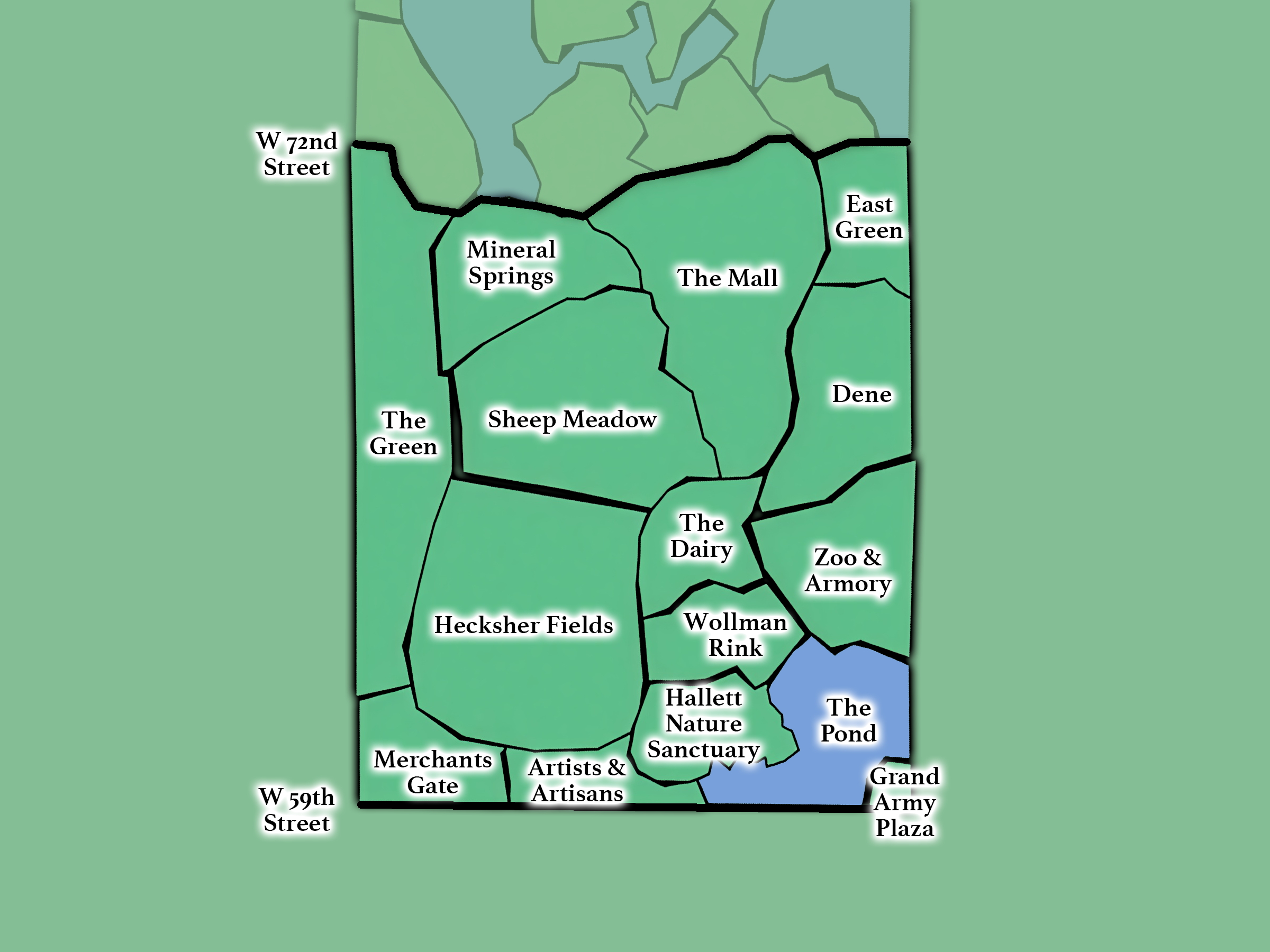
The Southern Gateway
From 59th - 72nd Streets; includes The Central Park Zoo, The Pond, Sheep Meadow, The Mall, and Tavern on the Green.
-
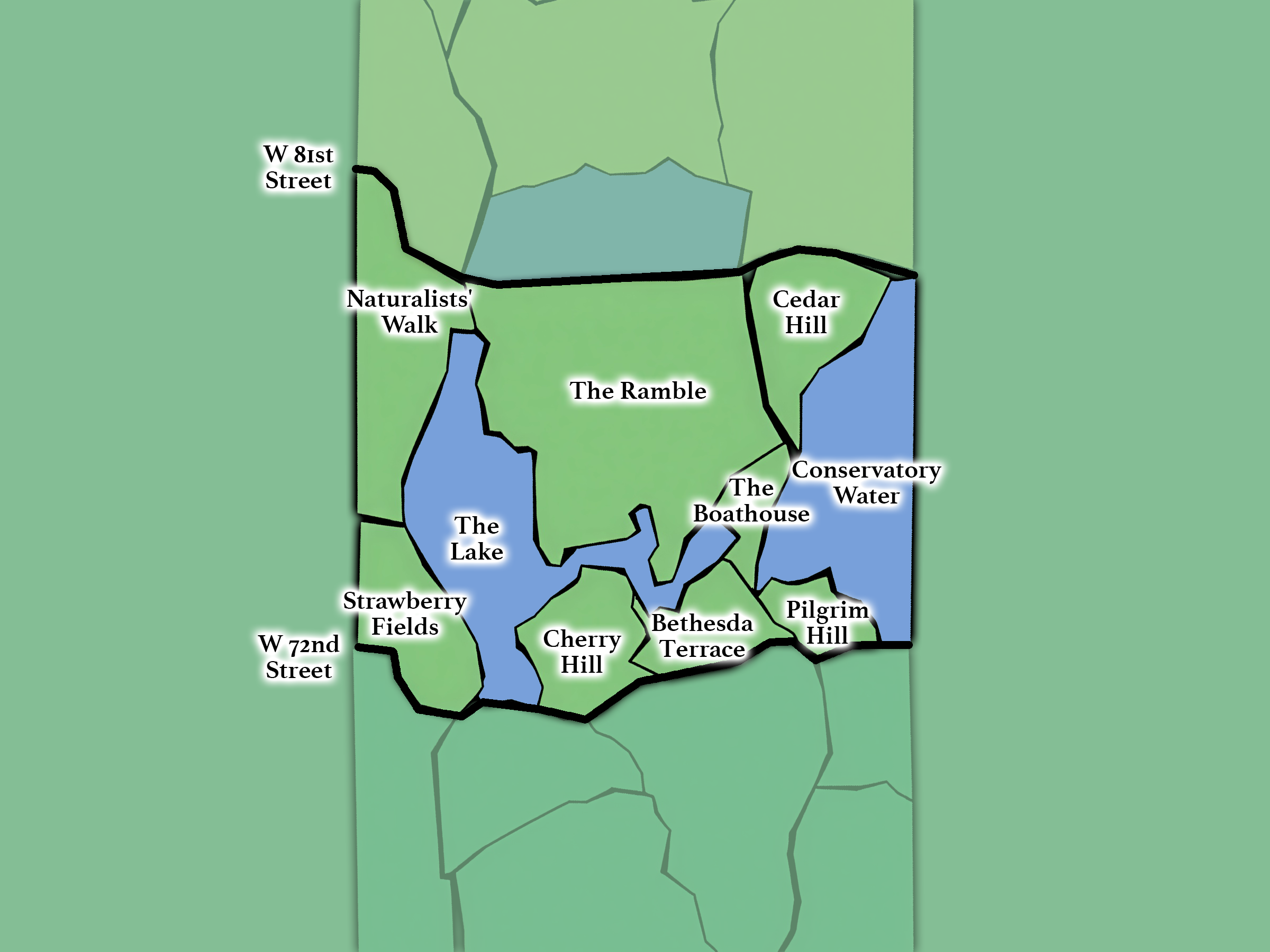
The Landmarks
From 72nd - 79th Streets; includes: The Lake, Cherry Hill, Bethesda Terrace, Conservatory Water, Strawberry Fields, and The Ramble.
-
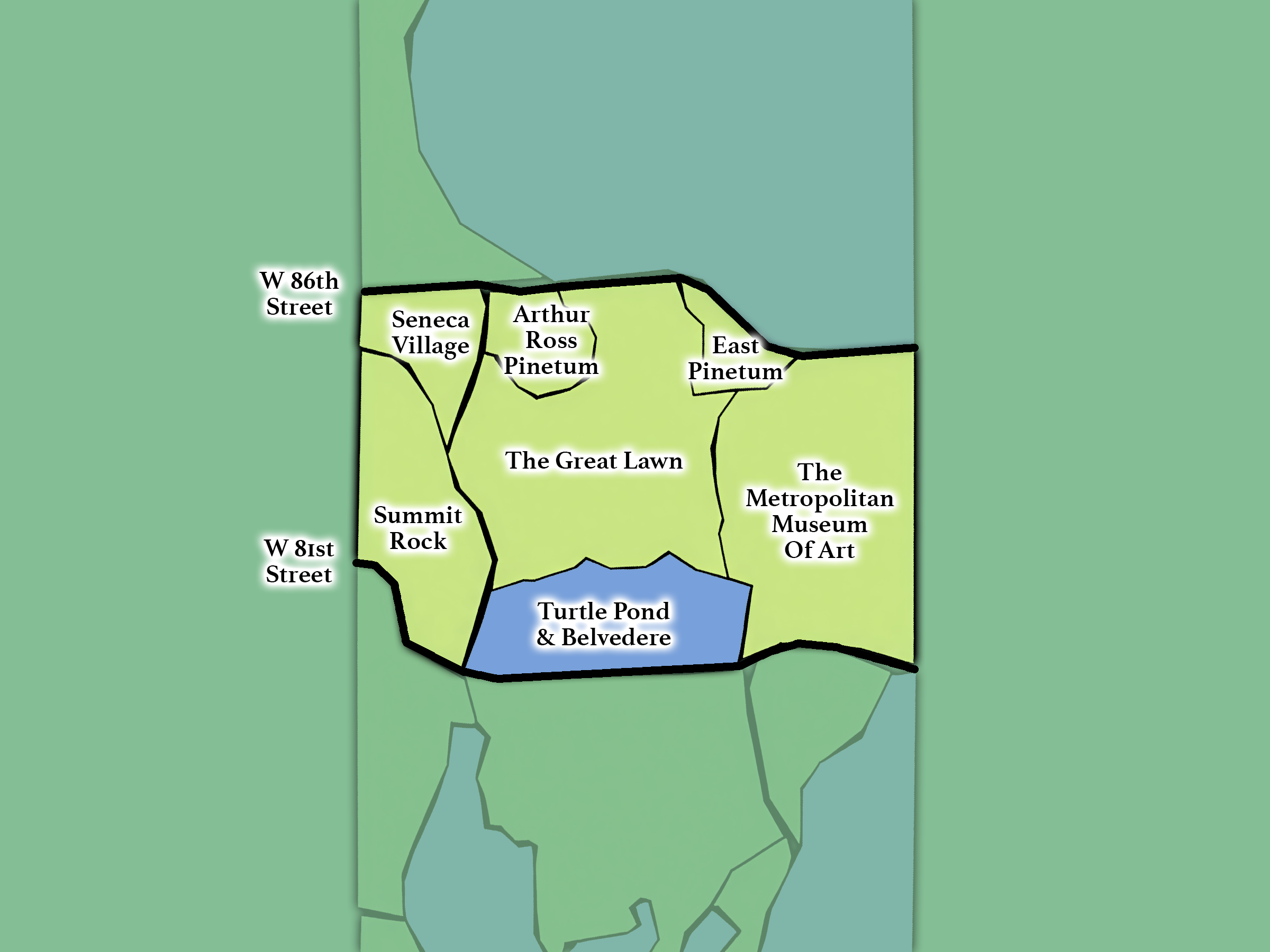
The Heart
From 79th - 86th Streets; includes Belvedere Castle, Turtle Pond, The Great Lawn, Seneca Village, and The Metropolitan Museum of Art.
-
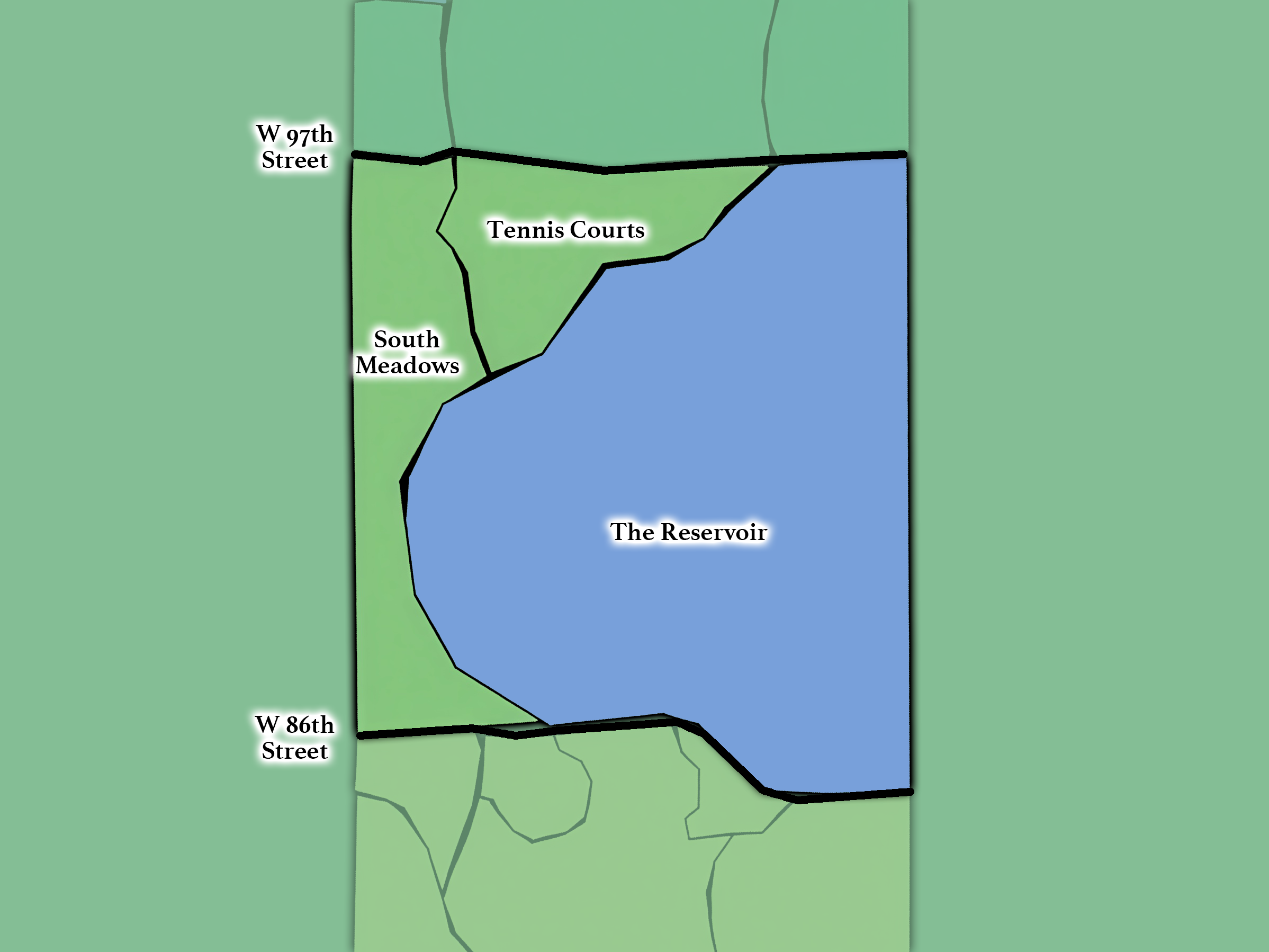
The Reflections
From 86th - 97th Streets; includes the Jacqueline Kennedy Onassis Reservoir and the South Meadows.
-
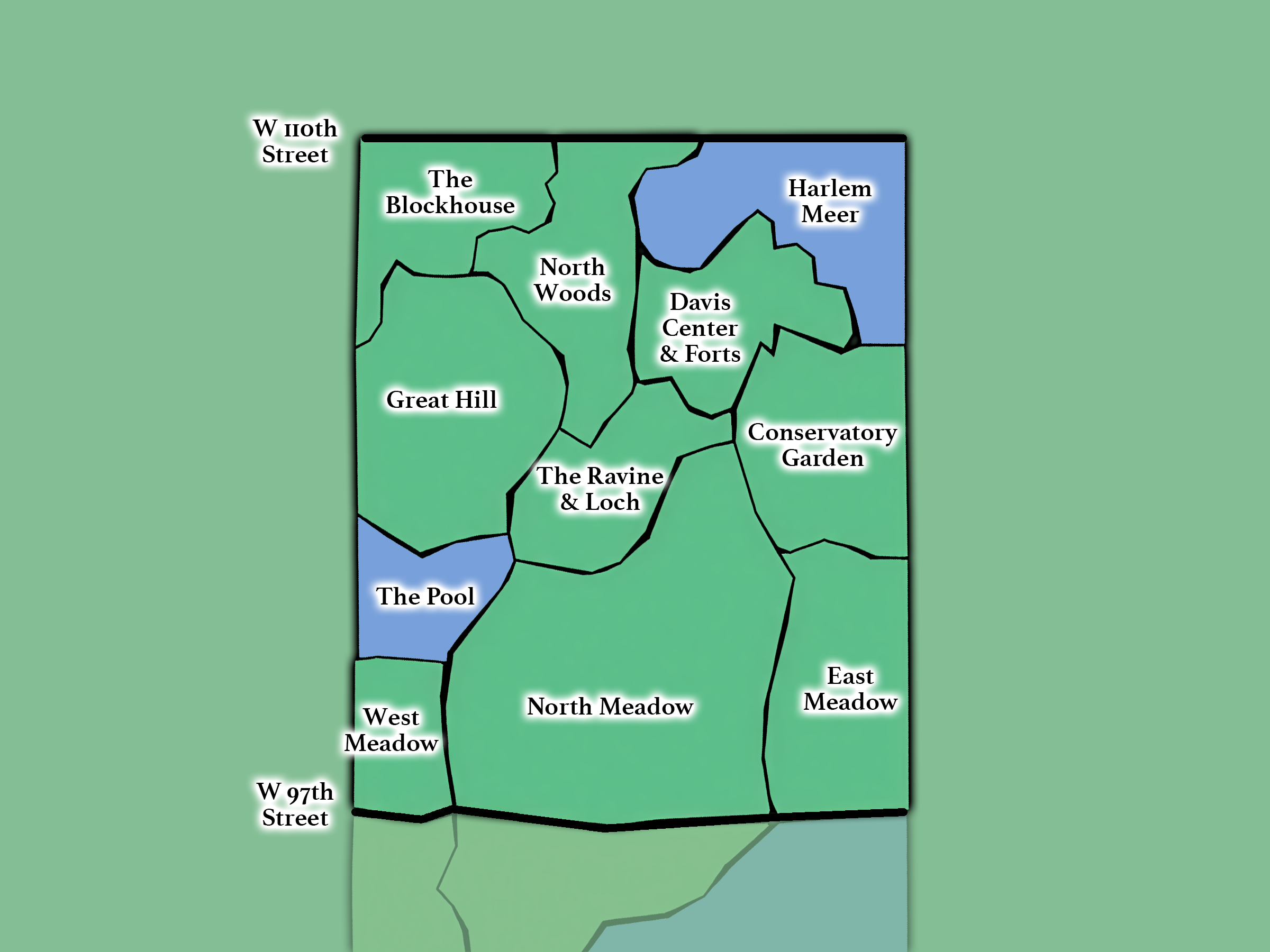
The Northern Capstone
From 97th - 110th Streets; includes: the Meadows, The Pool & Loch, Harlem Meer, The Great Hill, North Woods, and Conservatory Garden.