
SOUTHWEST WALK
Location
Geographic Setting
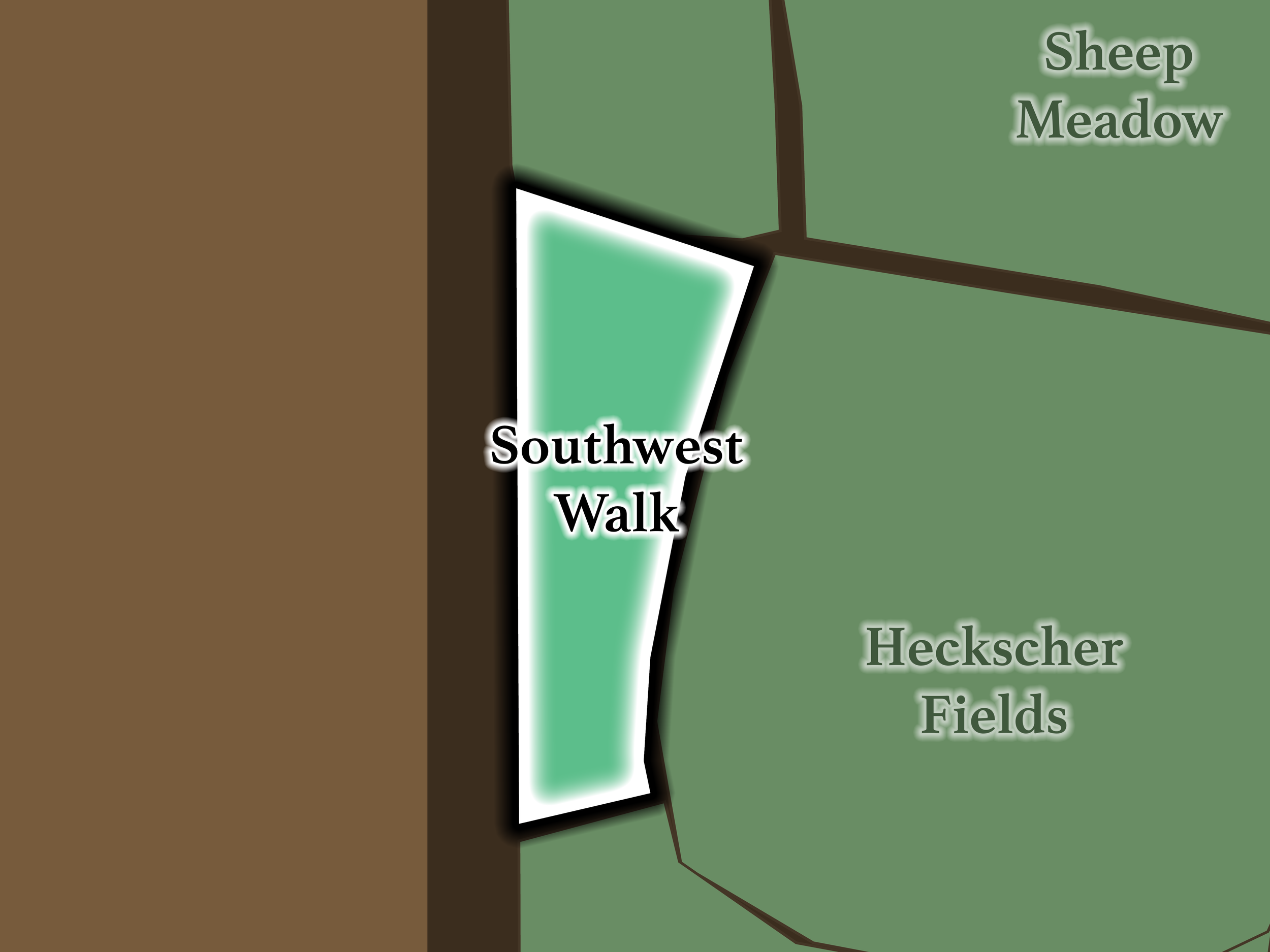
Southwest Walk follows Central Park’s western perimeter between Merchants’ Gate and West 66th Street. The Green begins to the north; Heckscher Fields lie across West Drive to the east; Merchants’ Gate anchors the southern end; and Central Park West separates the landscape from Lincoln Square.
The neighborhood occupies a comparatively narrow band between the city and the Drive. Lawns, mature trees and flowering plantings soften the park edge, while paths curve gradually north rather than directing visitors toward a single central destination. The result is one of the South End’s quieter transitional landscapes—close to Central Park West throughout, yet increasingly removed from the intensity of Columbus Circle as one moves north.
Etymology
Southwest Walk is a CityNeighborhoods designation derived from a remarkably durable geographic identity. Central Park and Conservancy sources have long referred to the broader landscape between Columbus Circle and West 66th Street simply as the Southwest Corner or Southwest Corner Landscape, rather than associating it with one dominant landmark. The Central Park Conservancy still uses that terminology for the roughly 12-acre landscape between the park perimeter and West Drive.
Walk refines that broader designation to describe this particular portion of the landscape: the elongated pedestrian corridor extending north from Merchants’ Gate toward West 66th Street. The name therefore preserves the area’s longstanding geographic identity while emphasizing the way it is actually experienced—primarily in motion.
History
The Greensward Plan
Southwest Walk follows Central Park’s western perimeter between Merchants’ Gate and West 66th Street. The Green begins to the north; Heckscher Fields lie across West Drive to the east; Merchants’ Gate anchors the southern end; and Central Park West separates the landscape from Lincoln Square.
The neighborhood occupies a comparatively narrow band between the city and the Drive. Lawns, mature trees and flowering plantings soften the park edge, while paths curve gradually north rather than directing visitors toward a single central destination. The result is one of the South End’s quieter transitional landscapes—close to Central Park West throughout, yet increasingly removed from the intensity of Columbus Circle as one moves north.
The Grand Opening
Olmsted and Vaux did not conceive this western strip as an isolated destination. It formed part of the circulation and entrance landscape connecting the southwestern gateway with the Ball-ground / Play-ground, Children’s District and other interior features.
That function remains especially visible in the surviving arches. Greyshot Arch carries West Drive above the pedestrian connection between Merchants’ Gate and the Heckscher landscape, while Dalehead Arch farther north carries the Drive above the former bridle path leading between the ballfields, Sheep Meadow and the western park. Both structures belong to the designers’ larger system for separating different forms of movement while allowing visitors to pass through the park without repeatedly confronting road traffic.
20th Century
By the late twentieth century, the Southwest Corner had become an established landscape designation in Conservancy planning. The area also reflected Central Park’s larger deterioration: paths had become confusing or worn, lawns suffered from heavy use and infrastructure required reconstruction.
A major 1994 Conservancy project specifically treated the Southwest Corner landscape as a distinct restoration area. Paths between West 62nd and West 66th Streets were reorganized to make circulation clearer toward Heckscher Ballfields, Wollman Rink, the Carousel, the Dairy and other destinations.
This work anticipated a much larger twenty-first-century restoration of the southwest corner, continuing the longstanding recognition of the western strip as a coherent landscape even without a singular historic attraction at its center.
Explore
Contemporary Landscape
Southwest Walk is a quieter way into—and through—the South End.
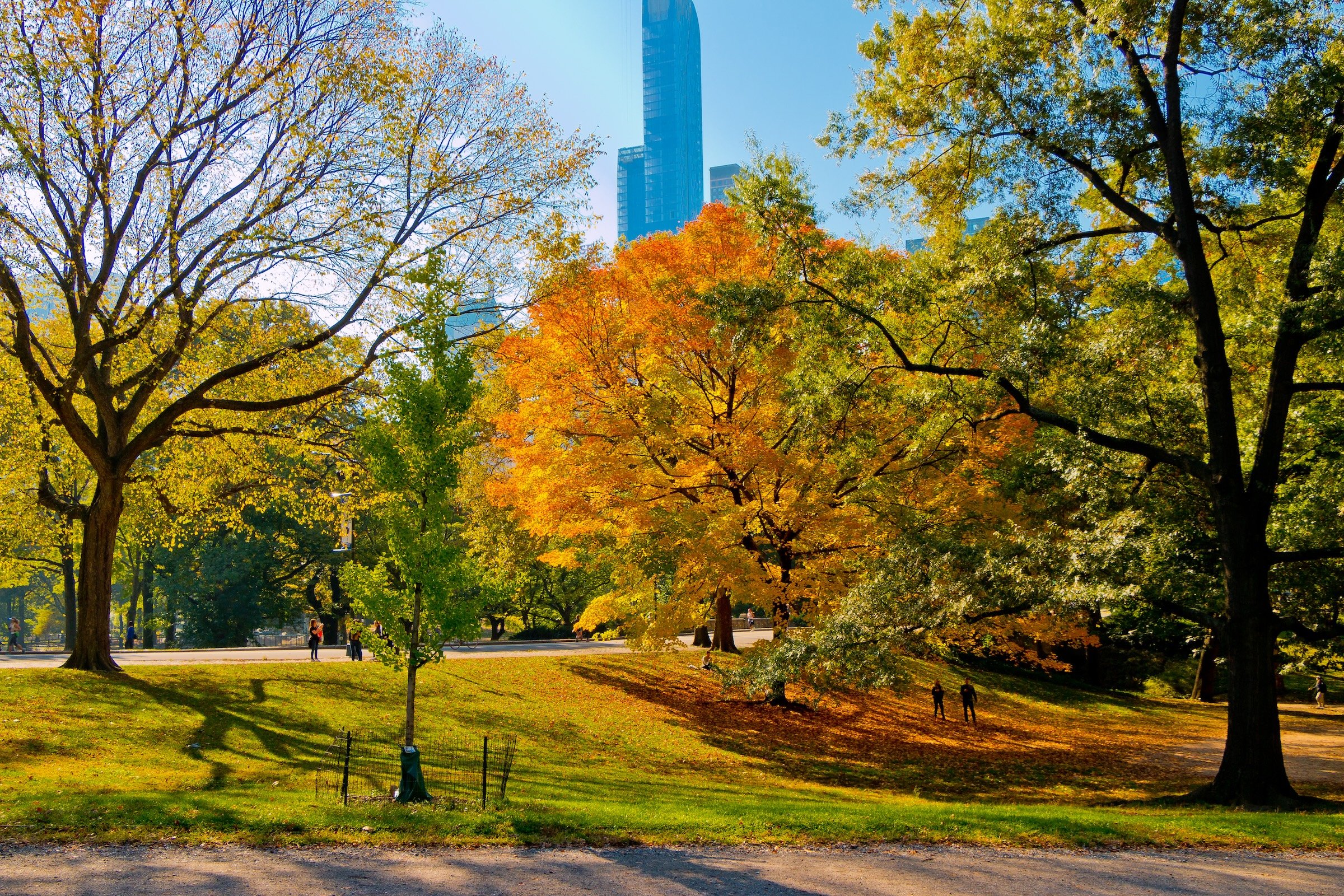
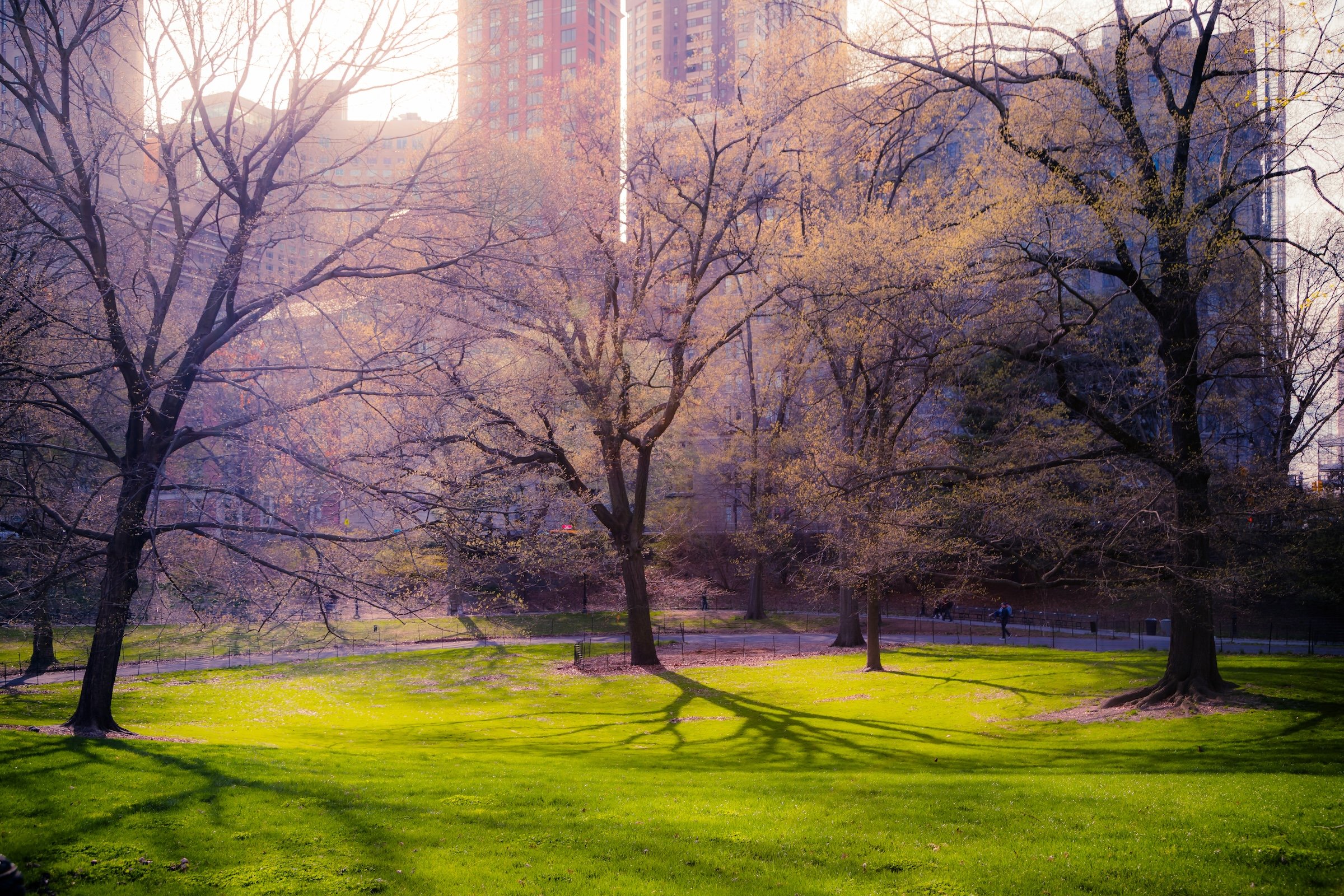
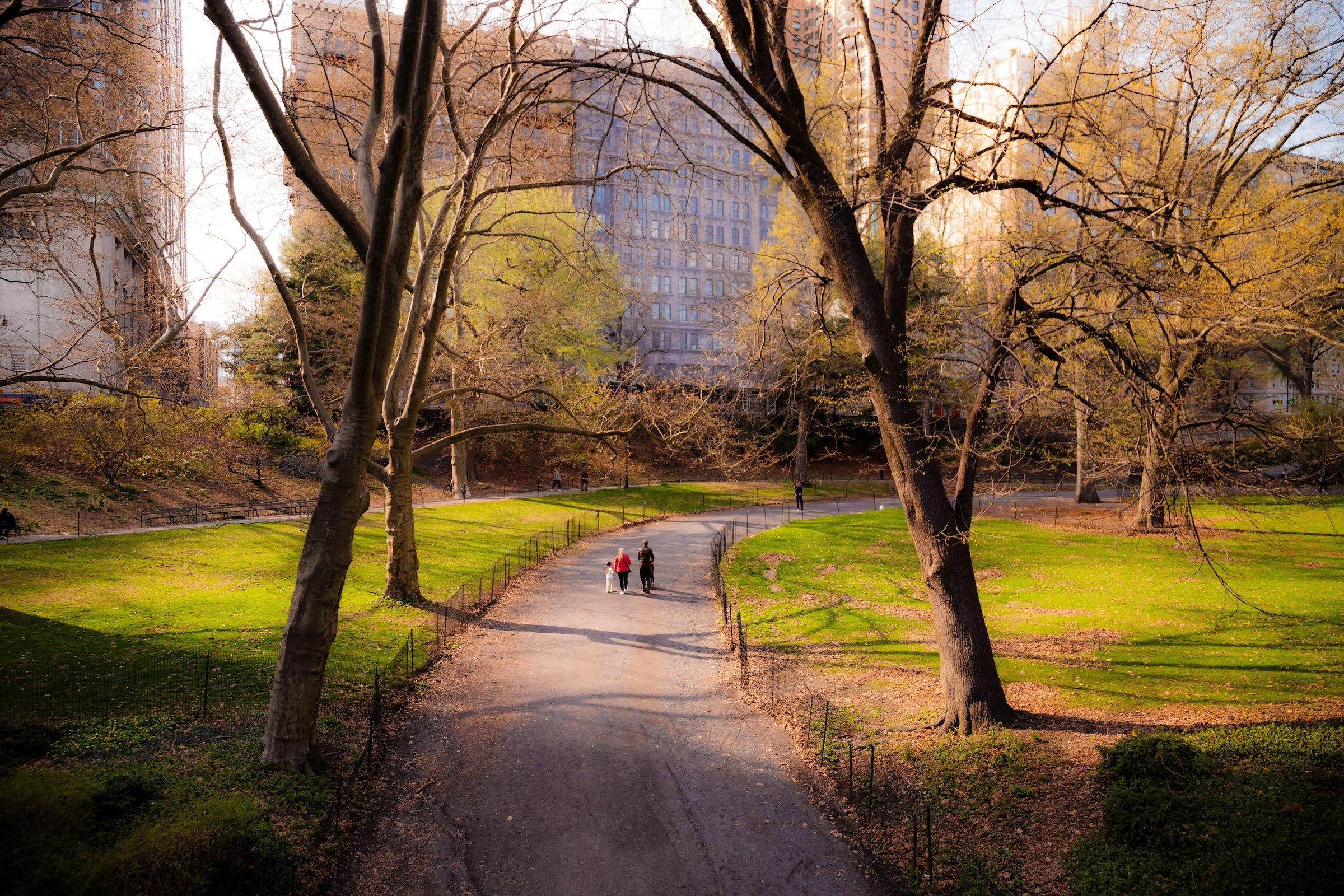
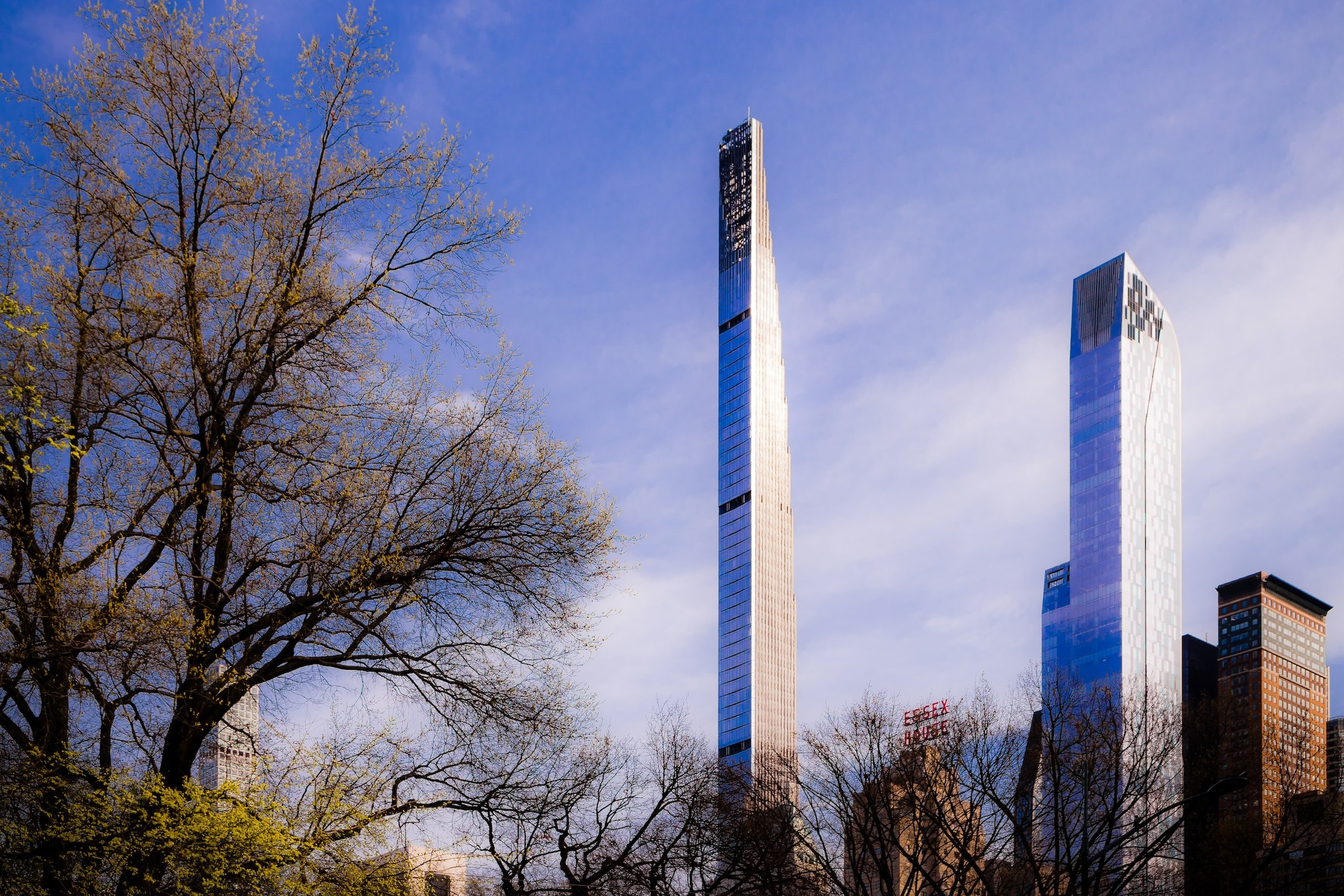
Leaving the crowds and monumentality of Merchants’ Gate behind, the paths move north through lawns, mature canopy and seasonal plantings, with Central Park West remaining close on one side and West Drive separating the walk from Heckscher Fields on the other. The experience is less about arrival than gradual transition: the city recedes without disappearing, while the park increasingly takes over the view.
Between 2014 and 2017, the Conservancy comprehensively restored this broader southwest landscape, reconstructing pedestrian paths and drainage, restoring lawns, expanding irrigation and adding new trees and seasonal plantings. Contemporary descriptions of the project continue to emphasize the area’s role as a pedestrian landscape connecting the southwestern entrance with destinations farther inside Central Park.
Waypoints
-
West Drive passes above this original pedestrian arch near West 61st Street, allowing visitors to move between Merchants’ Gate and Heckscher Fields without crossing the roadway. It is one of the clearest expressions of Central Park’s layered circulation system.
-
Near West 64th Street, Dalehead carries the Drive above the former bridle path connecting Heckscher Fields with Sheep Meadow and Tavern on the Green. Its location marks the northern transition from the Southwest Walk toward the landscapes surrounding West 65th and 66th Streets.
Photography
Visual Identity
Central Park has no single visual identity. It moves between open meadow and enclosed woodland, exposed bedrock and carefully planted garden, reflective water and hard-edged skyline. Its paths can narrow into shade beneath old trees, then open suddenly toward towers, lakes, monuments, or a broad field filled with people. The Park’s character is made from those transitions: the designed discovery of one landscape giving way to another.
Water and horizon recur throughout its geography. The Lake, Reservoir, ponds, fountains, and seasonal pools of light create places of reflection—sometimes literal, sometimes figurative—where the city appears fractured, softened, or enlarged. Beyond them, Manhattan’s towers remain present as a constant reminder that this cultivated landscape exists within, not apart from, one of the world’s densest cities.
Its visual language also changes dramatically with the seasons. Winter exposes branches, stone, and skyline; spring briefly turns the Park into blossom and color; summer fills its lawns and paths with activity; autumn intensifies the drama of canopy, water, and light. Central Park is designed to be revisited, and its identity is never fixed for long.