
GREAT HILL
Location
Geographic Setting
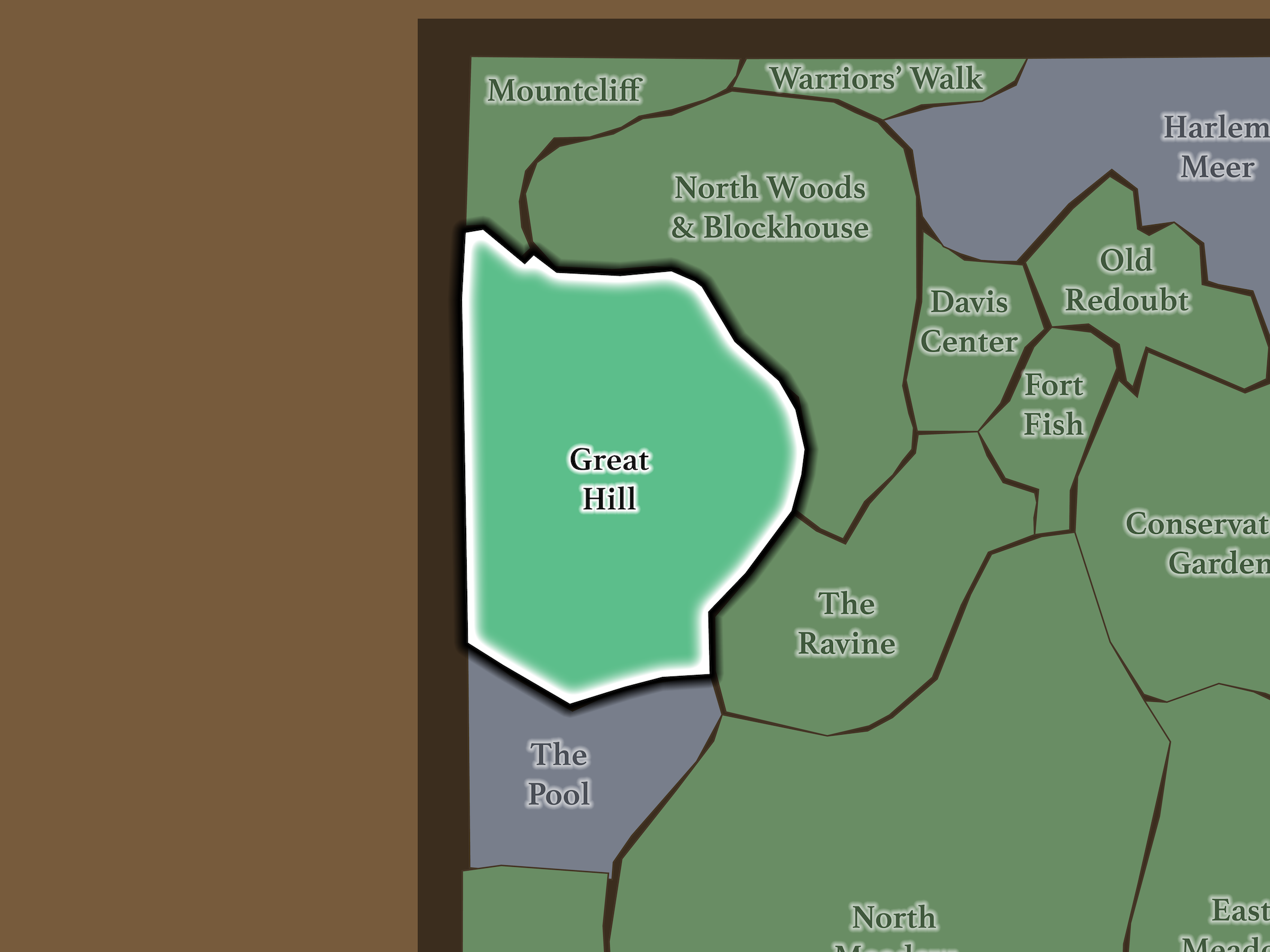
Great Hill occupies the western side of the North End between approximately West 103rd and 107th Streets. Mountcliff lies immediately north; North Woods & Blockhouse wrap around it beyond West Drive to the north and east; The Ravine descends beyond East Drive to the southeast; The Pool lies to the south; and Central Park West separates the landscape from Manhattan Valley.
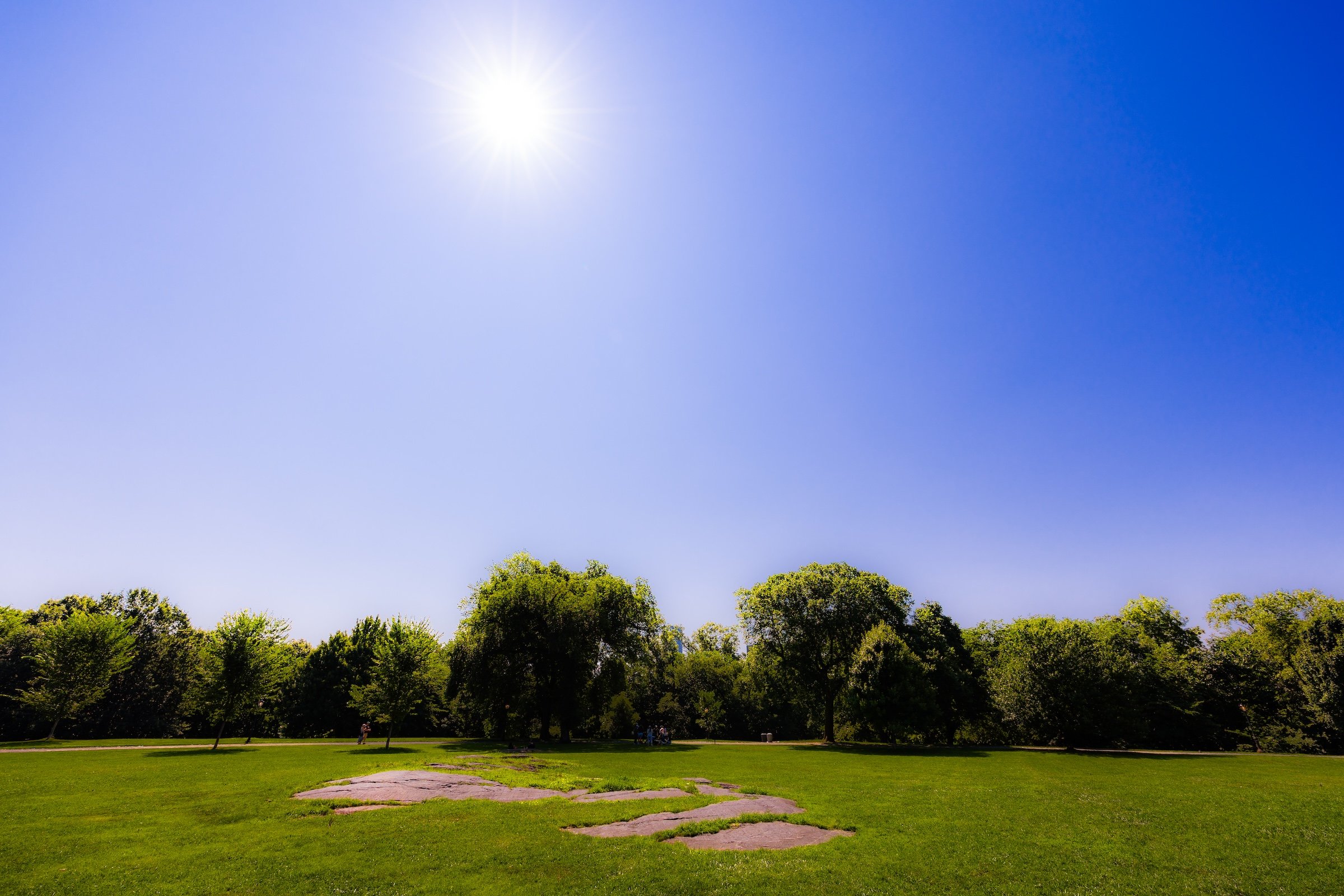
The hill rises steeply toward an unusually broad summit. At the top, an open oval meadow is surrounded by mature trees, while smaller glades occupy the western slope overlooking Central Park West. The combination produces something uncommon in Central Park: substantial elevation without confinement. The climb culminates not in a rocky peak but in one of the North End’s widest expanses of grass and sky.
Etymology
Great Hill takes its name from both its scale and elevation. Rising to approximately 134 feet above sea level, it is the third-highest natural point in Central Park, behind Summit Rock and Vista Rock. Before Central Park, the height was known as Harlem Heights, a name reflecting the commanding position it held above the surrounding northern landscape.
The modern name is wonderfully direct: unlike many Central Park places named for monuments or benefactors, this is simply a great hill—broad enough at its summit to contain a substantial meadow while retaining the steep approaches that make the ascent perceptible from nearly every direction.
History
1858–1873: Greensward Plan & Construction
Great Hill’s importance predates Central Park.
Its elevation made Harlem Heights strategically valuable during the Revolutionary War, when British forces used the site as a military encampment. Olmsted later reported finding evidence of British barracks on the hill, part of the larger military geography that also included the elevated landscapes around Fort Clinton and Nutter’s Battery.
Olmsted and Vaux transformed that strategic advantage into a scenic one. They encircled the summit with an oval carriage concourse, allowing riders to climb the hill, pause and enjoy panoramic views extending toward Manhattan, the Hudson River and Palisades, and Long Island Sound.
The old military lookout thus became a nineteenth-century pleasure ground without losing the fundamental characteristic that had always made the place important: its commanding height.
1858–1899: Early History & Grand Openings
From Central Park’s earliest decades, Great Hill was intended for excursions and family recreation.
Carriages could circle the summit while passengers stopped to admire the views, walk through the surrounding landscape or picnic and play on the central meadow. Unlike the highly formal gathering spaces farther south, Great Hill offered a looser kind of destination—an elevated lawn reached through the rugged scenery of the northern park.
Its position also placed it near one of Central Park’s most meaningful entrances. Strangers’ Gate, at West 106th Street, was named in the commissioners’ 1862 gate system to welcome visitors and immigrants from other countries. The commissioners specifically described the category as recognizing “Strangers” or “Foreigners” and the role international visitors and newcomers played in overcoming prejudice.
20th Century: Transformation & Restoration
During the first half of the twentieth century, Great Hill followed a pattern seen elsewhere in Central Park: flexible scenery was increasingly converted to specialized recreation.
Between the 1930s and 1950s, game courts, additional paths, benches and a public restroom were introduced around the summit. Over time, the surrounding glades and meadows became increasingly overgrown, while the recreational facilities themselves deteriorated.
The Central Park Conservancy began restoring Great Hill in 1985, one of the earliest projects associated with its parkwide restoration plan. The obsolete game courts were removed and returned to lawn, pathways were reconstructed, plantings diversified and the hill’s original naturalistic character gradually recovered.
A severe 2009 storm felled more than 100 trees around Great Hill. Although devastating, the loss unexpectedly reopened portions of the landscape in ways that recalled the more open nineteenth-century design.
Explore
21st Century: Renovation & Modernization
Today, Great Hill is one of the North End’s great rewards for climbing.
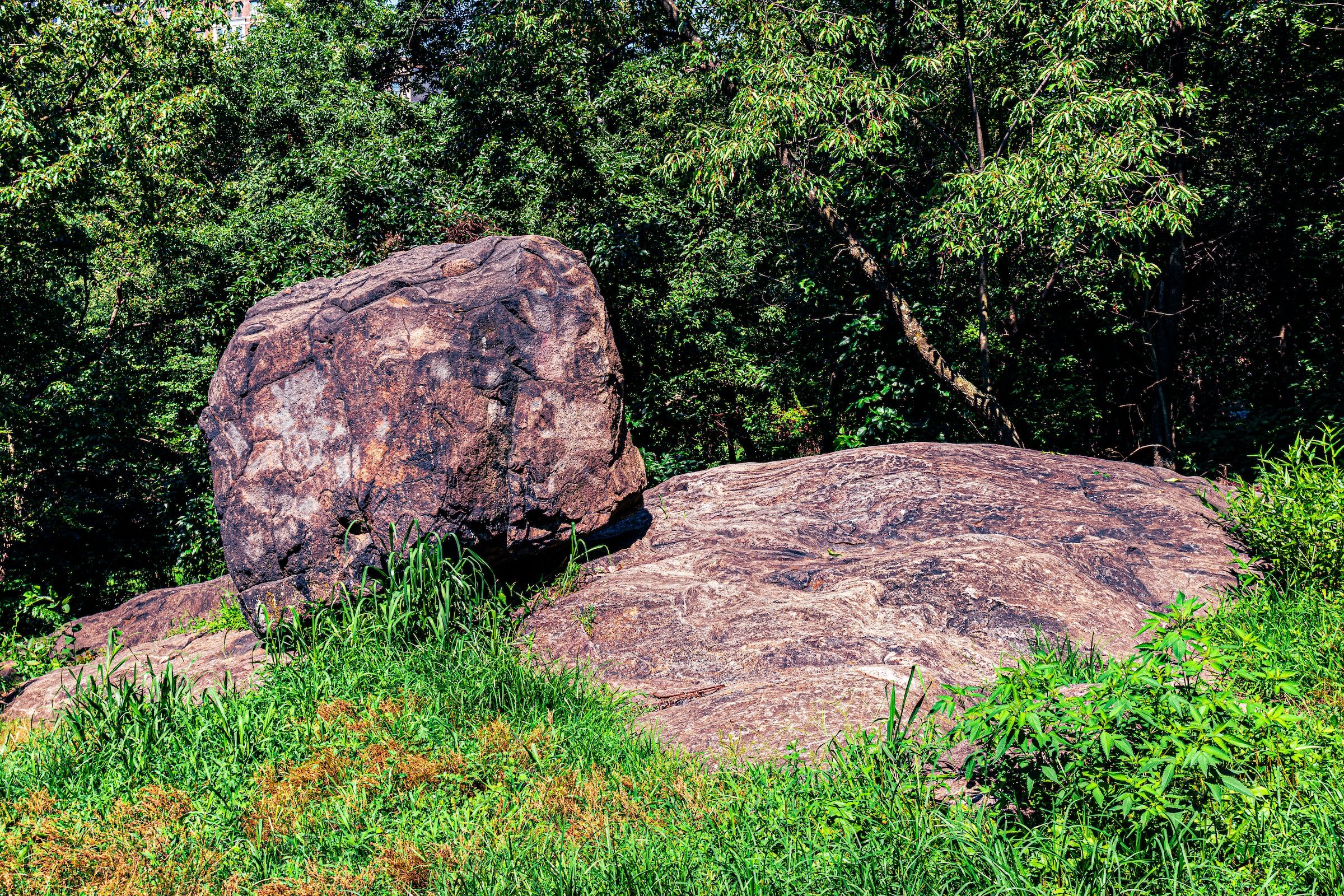
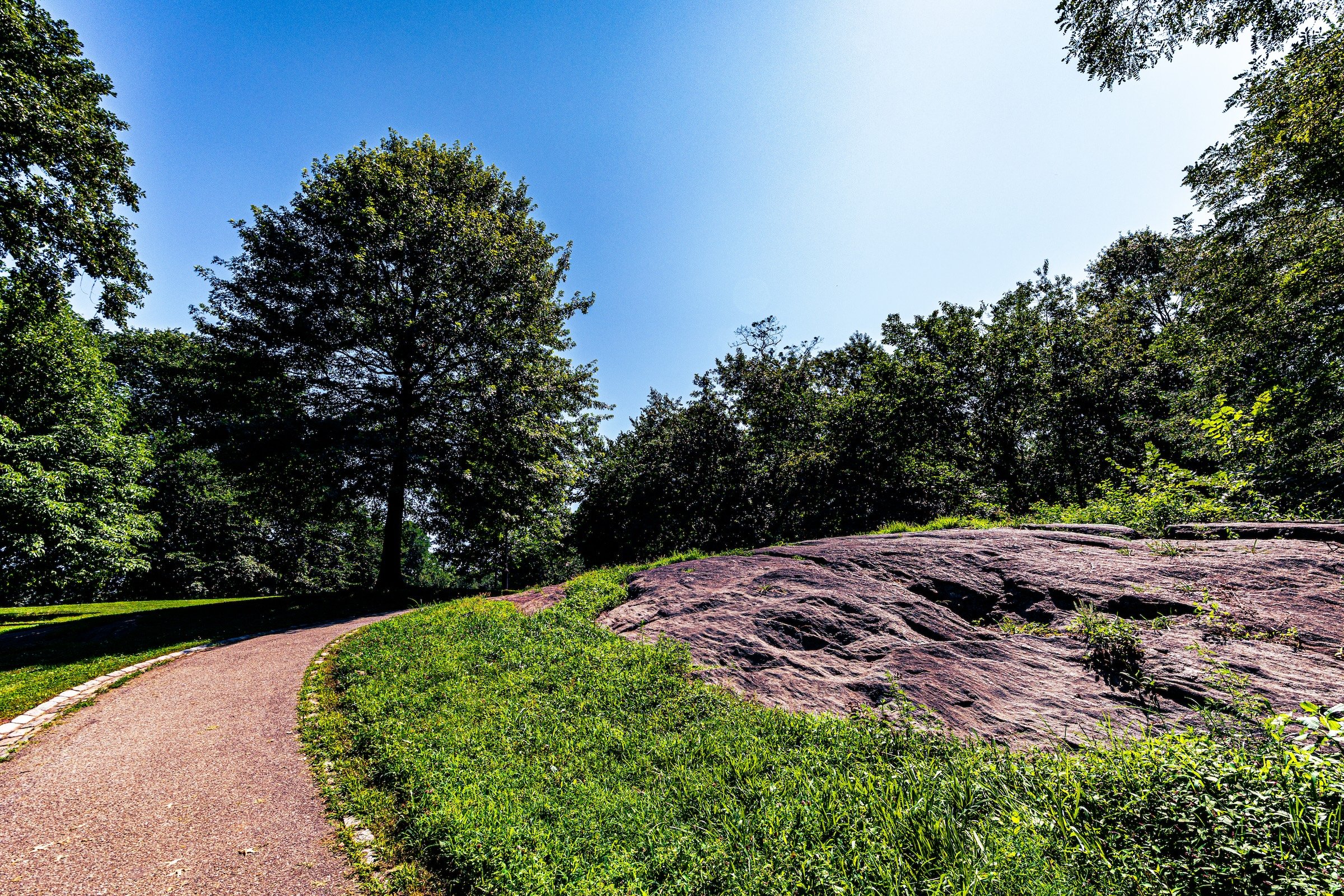
Numerous paths approach from The Pool, North Woods, Central Park West and the northern edge of the park. They rise through trees and rocky terrain before suddenly releasing visitors into the broad meadow at the summit.
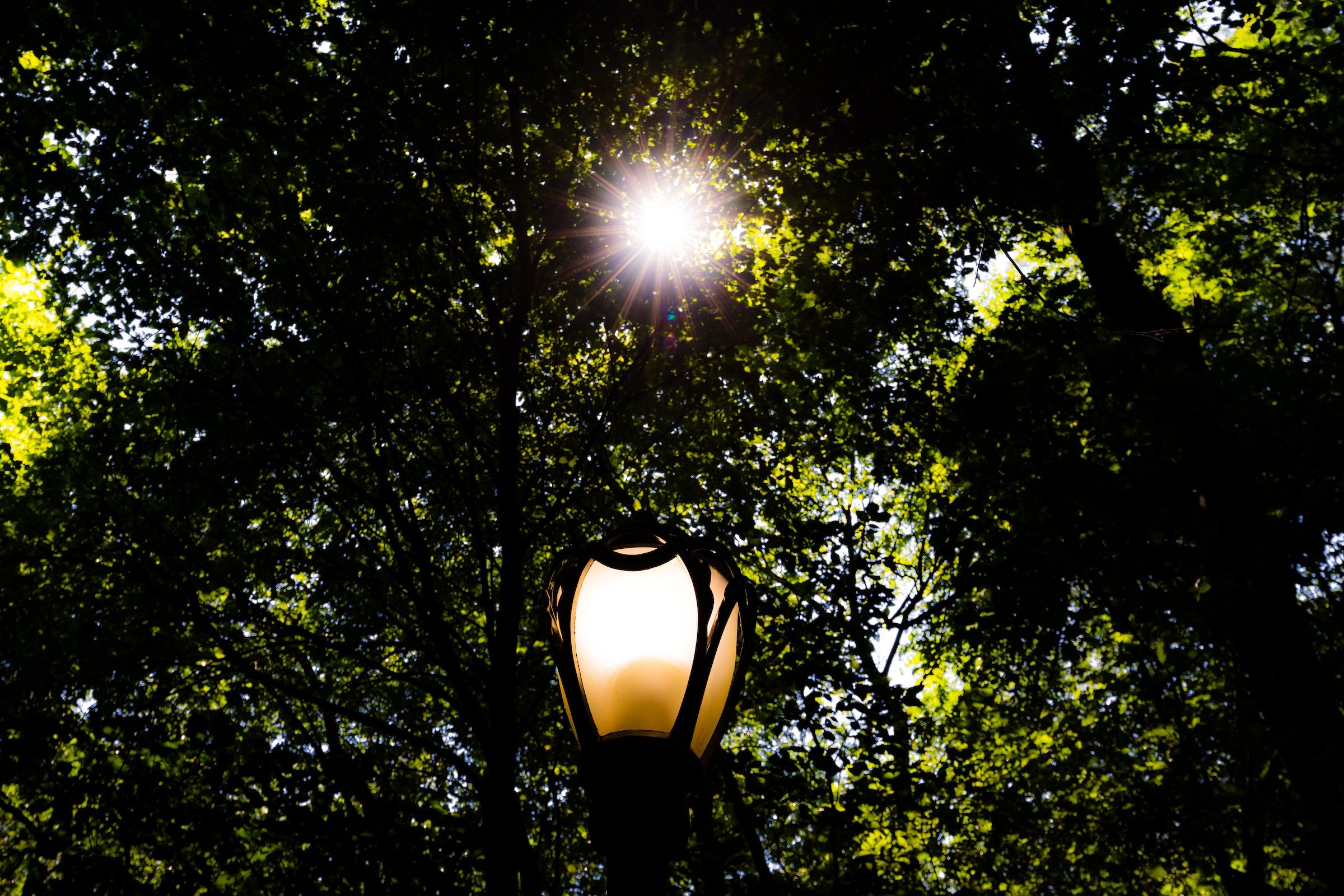
The sensation is unusually expansive. A ring of trees provides enclosure without closing off the sky, creating one of Central Park’s widest overhead views. The lawn supports picnics, informal games, lounging and gatherings, while smaller western glades provide quieter places beneath the canopy.
The Great Hill also continues its long tradition as a gathering place. Events such as Great Jazz on the Great Hill use the meadow as an outdoor performance setting, but the landscape remains fundamentally flexible—the same ground can accommodate a concert, picnic, children running across the grass or an afternoon doing almost nothing at all.
And the climb matters. Great Hill is not simply an open lawn that happens to sit high above sea level. Its approaches make you feel the elevation before you experience the openness. The wooded slopes conceal the summit until the landscape abruptly broadens into grass and sky.
Waypoints
-
West of the main summit meadow, a series of intimate lawns connected by rustic paths creates an outdoor setting for play, storytelling, music and family programs. Native trees, woodland flowers, stone and log seating give the Glade a more enclosed character than the broad Great Hill lawn beside it.
-
The West 106th Street entrance belongs to Central Park’s original democratic system of named gates. Dedicated to “Strangers” or visitors from foreign countries, it explicitly acknowledged immigration and international exchange as important parts of New York’s civic identity.
Photography
Visual Identity
Central Park has no single visual identity. It moves between open meadow and enclosed woodland, exposed bedrock and carefully planted garden, reflective water and hard-edged skyline. Its paths can narrow into shade beneath old trees, then open suddenly toward towers, lakes, monuments, or a broad field filled with people. The Park’s character is made from those transitions: the designed discovery of one landscape giving way to another.
Water and horizon recur throughout its geography. The Lake, Reservoir, ponds, fountains, and seasonal pools of light create places of reflection—sometimes literal, sometimes figurative—where the city appears fractured, softened, or enlarged. Beyond them, Manhattan’s towers remain present as a constant reminder that this cultivated landscape exists within, not apart from, one of the world’s densest cities.
Its visual language also changes dramatically with the seasons. Winter exposes branches, stone, and skyline; spring briefly turns the Park into blossom and color; summer fills its lawns and paths with activity; autumn intensifies the drama of canopy, water, and light. Central Park is designed to be revisited, and its identity is never fixed for long.